Shifting Lenses

Third Culture Kids: “children who move between cultures before they have had the opportunity to fully develop their personal and cultural identity”.

We are two third culture kids documenting what we have observed in the travels we have been so fortunate to experience. Home for us is the USA, but also China for eight years, and now Singapore. Growing up in different countries has shaped the way we view the world. We hope you enjoy reading our reflections on our expat life and travels.

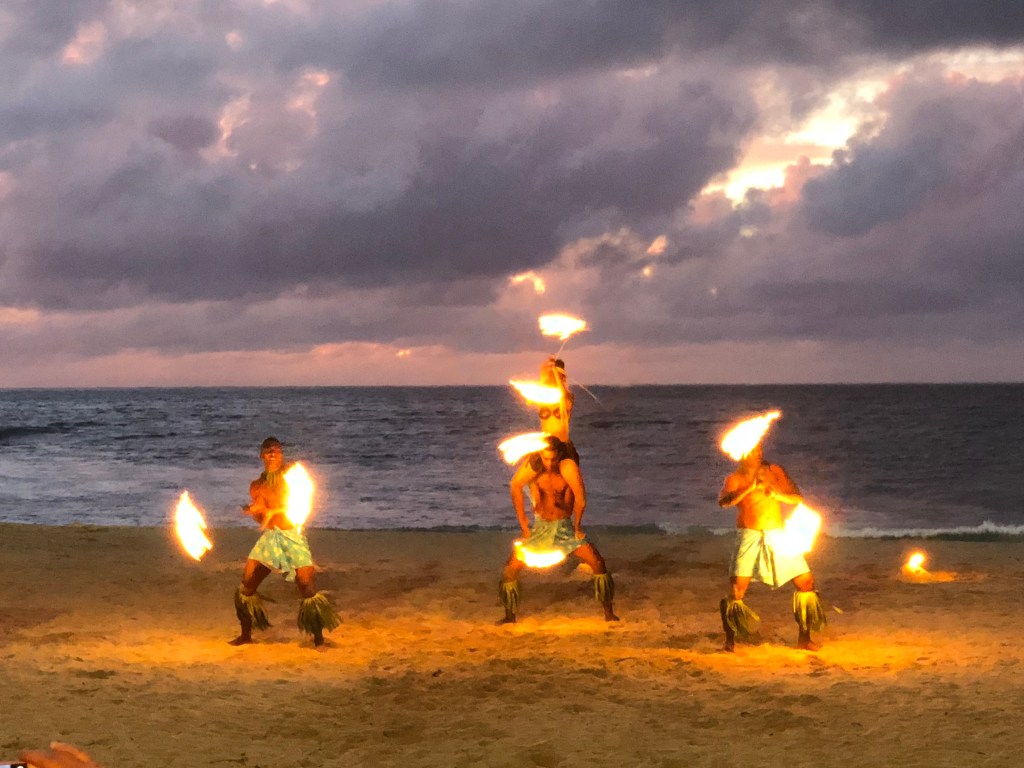
  • Fiji is universally recognized as one of the world’s most iconic island destinations, where five-star resorts beautifully dot the pristine coastlines. It’s unfortunate that travelers often don’t take more time to learn about the history and culture that make a place like this truly unique.

    I’m thankful that my parents always prioritized learning a bit of history and culture wherever we traveled. It made our trips so much richer.

    While in Fiji, we learned a bit of the island’s history. One of the most fascinating parts of our cultural discovery was learning about the Indo-Fijian population. While Fiji was part of the British Empire, over 60,000 Indians, primarily from North India, were brought to the islands to work on the sugar plantations. This labor influx was a direct response to labor shortages following the abolition of slavery. This mass migration dramatically shaped Fiji’s identity, resulting in a unique Indo-Fijian culture and even a Fiji Hindi language. 

    Learning about the local culture in Fiji felt particularly easy because the people we met, especially those working at our hotel, were so incredibly friendly and open. Instead of hurried, casual hellos, we enjoyed real conversations and learned interesting cultural facts, such as, the head is considered sacred. It’s important to avoid touching people’s heads, even children’s, as it is seen as highly disrespectful.

    We also learned a lot about Rugby, which is the national passion. Fiji produces an astonishing number of professional rugby players per capita, and the sport is deeply ingrained in the fabric of their society.

    From the education system to their work-life balance (such as only being able to travel to their home island every two months), the insights we gained were humbling and enlightening.

    What I enjoyed most about Fiji was not just the physical beauty, but that the people were not only warm and friendly, but genuinely happy to educate visitors on their heritage. My hope is that more travelers will actually take the time out of their luxurious stay to properly listen. 
  • Looking back, our trip to the Philippines was easily one of the most memorable vacations of my younger years. It was all about sharp contrasts. We kicked things off in the crazy urban sprawl of Manila and wrapped up our stay on the island paradise of Palawan.

    The Manila Metro area is gigantic, 14 million people. It was unbelievably crowded and it’s the only place I’ve ever been that had armed police officers working the toll booths. Even the mall security guards were carrying serious military-grade weapons, making American mall cops look like they’re just playing pretend. Once I got over that initial shock, we were genuinely surprised at how similar the mall was to one back home. Texas Roadhouse, Stride Rite shoes, and countless other American brands were everywhere. American mall culture, and not just the super high-end luxury store, had made it to Manila. When you were inside, you could’ve sworn you were in Cincinnati or Atlanta. But then you stepped outside, and the packed buses and colorful, tourist-filled Jeepneys told the real, local story. The whole contrast was fascinating.

    Then we flew over to Palawan. The island itself was absolutely stunning. As a destination, though, it felt very cut off from the local culture. We were literally marooned on our little resort island. When we left Manila, we felt like we’d gotten a good sense of the city’s vibe. When we left Palawan, we felt like we’d seen an incredibly beautiful spot, but we were completely clueless about the local culture. Maybe it depends on the hotel, but I really wish there had been more focus on local history. Aside from trying some seriously delicious local food, the resort could honestly have been anywhere—the Caribbean, South America, you name it. My biggest realization from this trip was that I personally just prefer places that really go out of their way to showcase their unique culture. That’s what makes a trip truly perfect.

  • It seems there is always a bit of competition among states, and I think it’s just human nature. The attitudes of people in the Northeastern USA, particularly the tri-state area of New York, New Jersey, and Connecticut, definitely take part in this. New Jersey is often looked down upon by Connecticut and New York residents. However, having lived in New Jersey for a while and traveled the area, I found they are surprisingly similar, especially New Jersey and Connecticut.

    Both states rely heavily on nearby metropolitan hubs: New Jersey is to Philadelphia/New York as Connecticut is to Boston/New York. Both states have incredibly affluent areas alongside some pretty rough places. And both feature extensive industrial scenery as you drive along the major freeways.

    Yet, there are areas where New Jersey has a clear lead in things that should generate tourism and respect. New Jersey has significantly more Revolutionary War history than Connecticut, earning it the title, “Crossroads of the American Revolution.” It also boasts more and generally better beaches. Yet, despite these facts, one state brings to mind Martha Stewart, while the other brings to mind Tony Soprano.

    The culture of New Jersey is truly unique. Even though the state may not get much respect from outsiders, locals have immense state pride. Diner culture in Jersey is unmatched in any other state and you are never far from a place with a 15-page menu and a display case filled with cakes and pies. The Shore is its own subculture. I know many New Jerseyans who can afford to travel the world, but would rather drive to the Shore and rent a house.

    New Jersey also lives up to its “Garden State” nickname, offering endless mountain trails that become even more beautiful in the fall, plus skiing in the northern part of the state. Furthermore, their public schools consistently rank among the best in the country. They even host two NFL teams and one MLS teams…the “New York” Giants, “New York” Jets, and “New York” Red Bulls.

    Honestly, New Jersey has a lot to be proud of, and locals are indeed fiercely proud and loyal. Many New Jerseyans are known for embracing or laughing off negative stereotypes and simply opt to maintain that strong identity.

  • Las Vegas is famously known as Sin City, and few would deny the name is appropriate. Tourism is so engrained in the local culture that it has become the city’s whole identity. It makes you curious what the city would be like if that first casino had never opened. I’m pretty sure they wouldn’t have an NFL team.

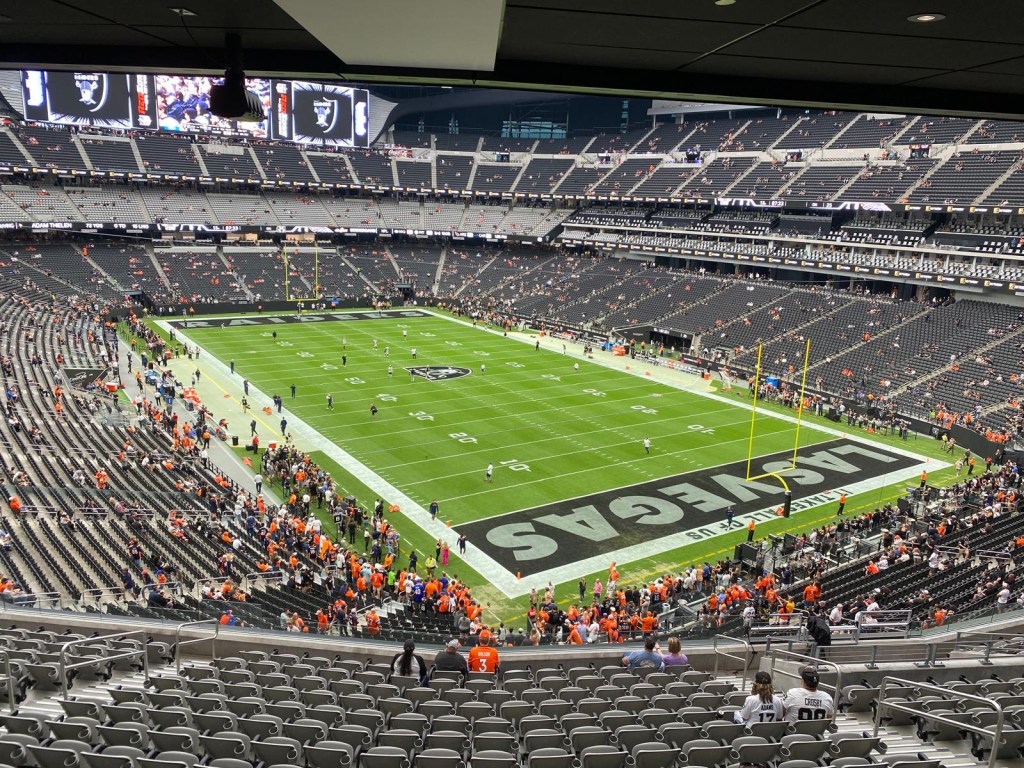
    But they do have a team, and while it’s a money-maker, its financial success is unique compared to other NFL cities. Because Vegas is such a popular tourist destination, there are often a large number of opposing team fans at Las Vegas Raiders games. Media reports that high ticket prices make it difficult for local fans to attend every game, but the seats are easily filled by city visitors. To be fair, the city has a transient population, and perhaps there isn’t a large enough local fanbase to consistently fill every seat with only Raiders fans.

    Still, it’s a bit weird for an NFL team when you compare it to classic franchises like Buffalo, Pittsburgh, or even New York. It feels like a team without a soul or home-field culture. It’s financially successful and makes good business sense, but it completely lacks the classic stadium emotion and the benefit of a true home-field advantage.

    I had a great time at the Raiders game, but the stands were filled with Denver orange. Since neither the Broncos nor Raiders are my team, it didn’t really bother me. It was different from other games I’ve been to, though.

  • I can’t remember how I became a Chelsea fan, but I have been one ever since I started following professional football years ago. My passion for the team grew when they acquired my favorite American player, Christian Pulisic, in 2019. Seeing a game at Stamford Bridge was a dream come true, and it lived up to expectations.

    Tickets are hard to come by, but somehow my mom managed the feat. This is apparently a point of frustration for local fans, as many articles have been written about it. While we were at the game, I even heard a fan loudly complaining that “real fans” can’t even get tickets anymore. The comment may have been directed at my American accent having family, but I think it was more likely directed at the selfie-taking ladies next to us who were blocking views with their poses. The “real fan” phenomenon is an interesting one. Living near New York, people were always saying that most people wearing Yankees hats don’t even know it’s a baseball team. Globally, this may be true. When a team is on a hot streak, new fans are called bandwagoners and are often looked down on. The longtime fans sometimes feel that if you haven’t been there for the bad years, you shouldn’t join in on the fun of the good years.

    The “real fan” attitude is not my favorite part of sports fan culture. However, I can say without a doubt that it is a global phenomenon.

  • For many National Park enthusiasts, Zion National Park in Utah is among the most picturesque. Iconic hiking, like the challenging Angel’s Landing and truly unique experiences like The Narrows, combine with cliffs, canyons, and the Virgin River to make a stunningly beautiful place.

    Its weather and access also make it a great destination. A reasonable drive from Las Vegas, you can even make a day trip out of it, making year-round visiting feasible. While winters are chilly, they are certainly more mild than many other national parks. Therefore, Zion is a year-round destination. And maybe this is the problem. It is a little too accessible and a little too “picturesque.” The reality on the ground has a very different feel and always makes my parents comment about how the types of people visiting parks have changed.

    My Parents’ past experiences…..According to my parents, years ago, the outdoorsy types that hiked and climbed in the park were apparently a very specific group. They were fit, often minimalist in how they were traveling and what they were traveling with. They camped in tents mostly. National Parks were considered cheap destinations for travel, so families on a budget often filled the campground. If someone was hiking The Narrows, they had a guidebook, experience, and some well-worn gear. Everyone was there for peace and time outdoors.

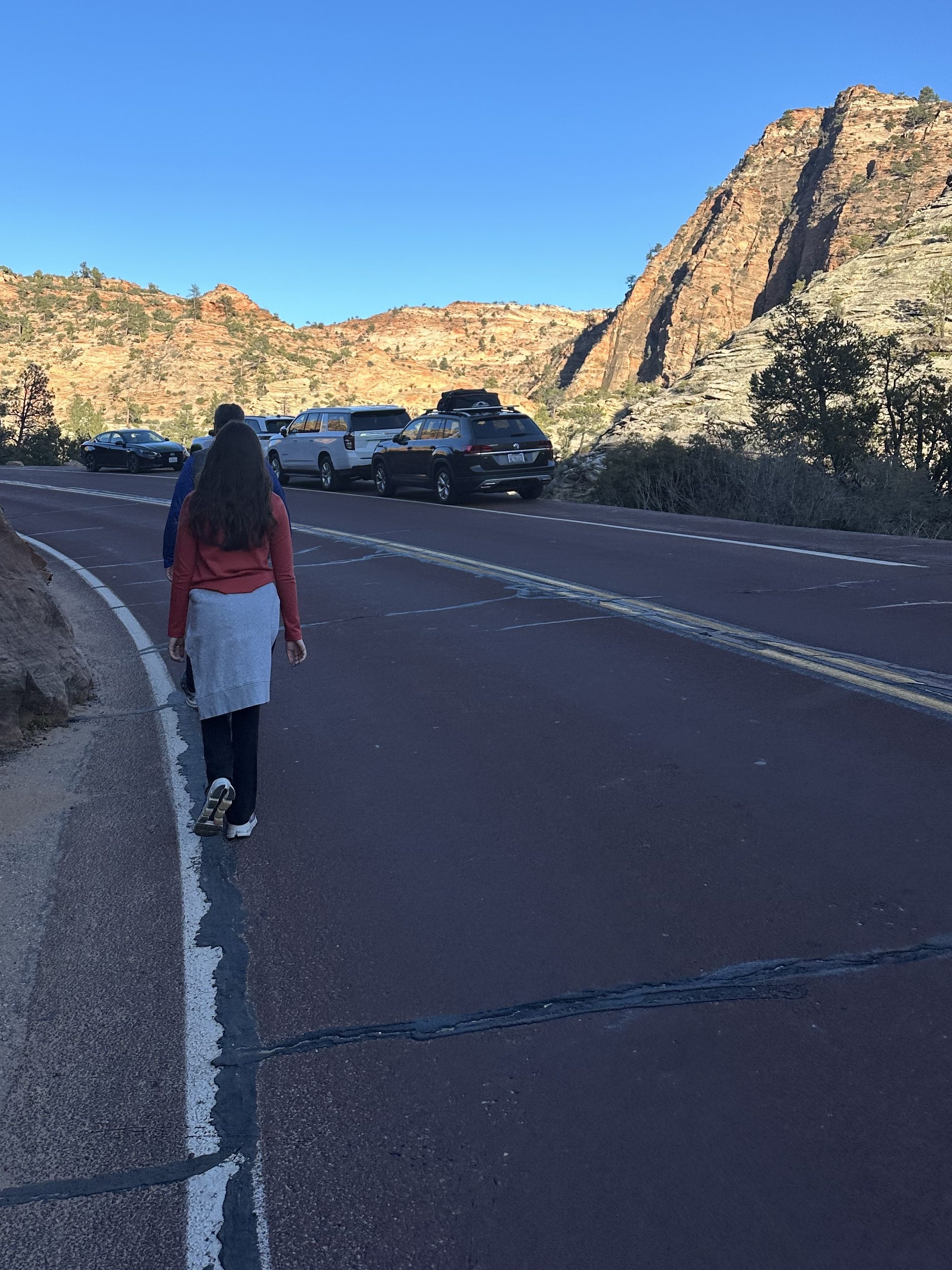
    What I Have Seen…..National parks like Zion are often overcrowded, and tourists arrive by the busload. Even in early April, The Narrows was crowded with people all fitted out in every piece of rented gear that would make their trek more comfortable. The gear rental business was huge in the nearby town. Many tourists seemed to only want to go far enough down The Narrows to get a good picture, sometimes 100 yards or less! We arrived early, but by the time we left for lunch, the shuttle bus line from the Visitors Center snaked around the building and into the parking lot. There were no parking spaces to be had. Busloads of day trippers were still coming in nonstop. 

    All signs point to the tourist motivation in Zion having shifted to prioritizing photo opportunities. For some visitors, going to a national park now seems pretty similar to going to New York City. I don’t have a problem with this; after all, the economy of the nearby towns is booming. However, I suspect the segment of society that still truly seeks solitude will likely begin to avoid Zion, instead finding refuge in lesser-known state parks. Regardless of how we feel about it, the cultural shift in park visitors seems undeniable.

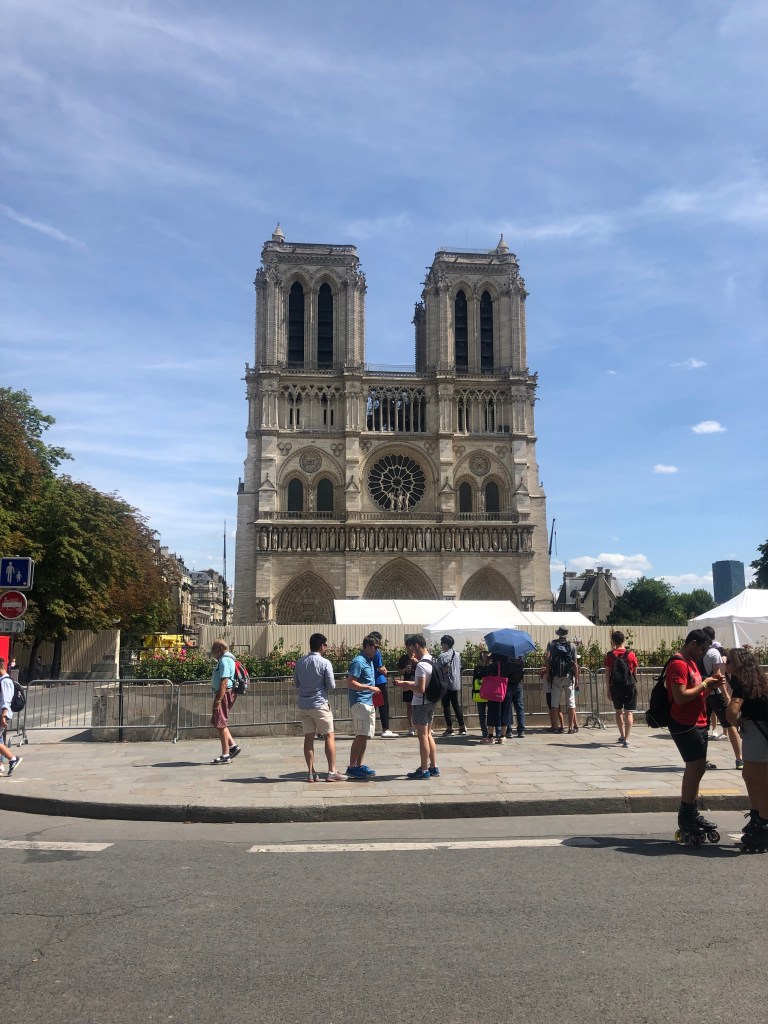
  • Notre Dame Cathedral in Paris is one of the most iconic historic churches in the world. The world was shocked when it was devastated by fire in April 2019. My family visited Paris a short time later, in June 2019. Of course, we couldn’t go inside. Luckily for us, Paris has no shortage of other sights to see.

    By now, I have been to many famous cathedrals across a few different continents. Stunning as they are, they all have one thing in common: They don’t feel like churches or religious places. There are tour guides speaking on microphones and flash photography everywhere. In a time when we are always concerned about offending other cultures, it’s strange how little we seem to care about respecting culturally sacred places of the religious. This tends to be the case whether it is a cathedral in Europe or a temple in Asia.

    Sometimes visitors are asked to cover their shoulders or their legs in Asian temples. However, it’s very rare that these places feel genuinely religious, even with all the telltale accessories and decor. They are valued for their history, but they seem to belong to the world rather than to the faithful.

    It’s both interesting and a little sad, as they appear to have lost their original purpose. Society’s view of these structures is similar to that of any old building or beautiful public place. We respect the architecture, but we often fail to care for, learn about, or respect the religious culture that brought it about.

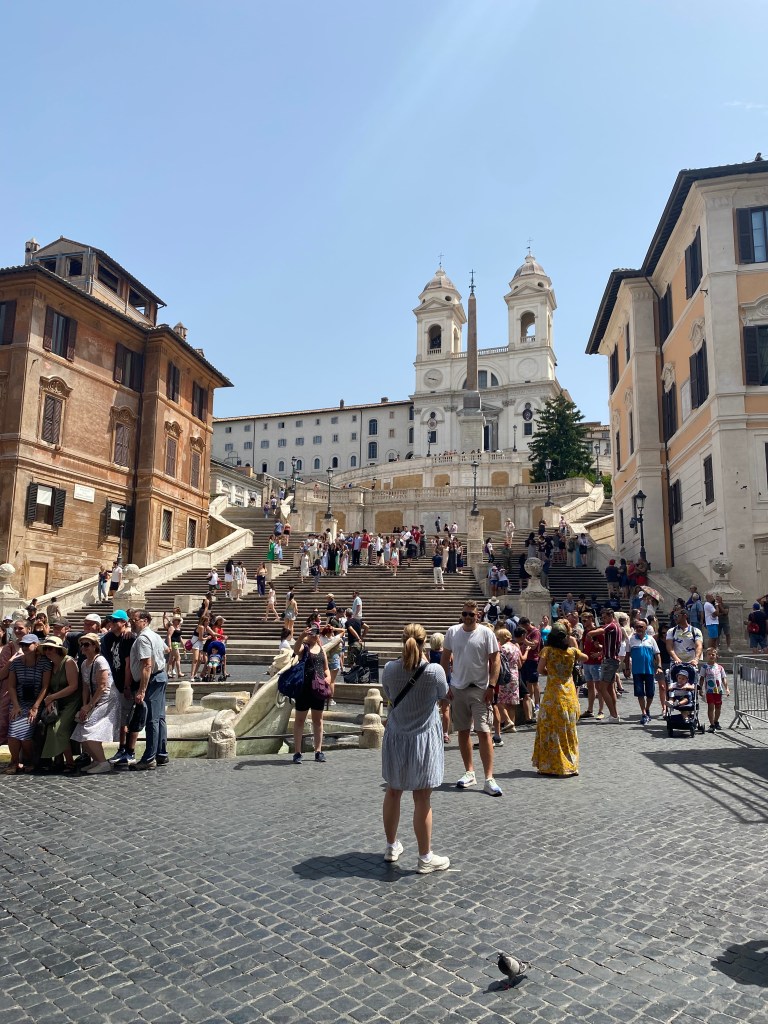
  • A quick search will tell you that Rome receives 51.4 million tourists every year. This is not surprising considering it has some of the most famous sights in the world and seems to be on every international traveler’s bucket list. The more surprising number is that the population of Rome is only 2.75 million.

    This isn’t a small city by any standard, but it does mean that locals are likely to feel the impact of tourism every day. Residents often report that many areas feel “overrun” and that tourist-related businesses are displacing local shops and housing. The city is the very definition of a cultural hub, boasting historic sights, extraordinary art and museums, unique architecture, and amazing food. However, when you see a city that is overrun with tourists, you really start to think the city’s modern-day society and culture suffer. Locals move out of certain areas because the quality of life, or the quality of the experience, has deteriorated. As a tourist, I loved seeing the typical sights. I don’t think I need to go back, though, or if I do, I would need to explore other areas.

    If culture is a shared way of life of a group of people, maybe the new modern culture of Rome is, in fact, tourism. Locals work in it, the city is built around it, small businesses cater to it, and the economy revolves around it. I have read about historic fishing cultures and mining cultures in rural areas where life revolves around the industry. At this point, it seems Rome is a tourism culture, similar in many ways to Orlando, Florida.

  • Watching the best player in the world is the ultimate dream for any soccer fan. For many Americans, that dream is now more attainable than ever with the G.O.A.T., Lionel Messi, playing for Inter Miami.

    I had the chance to fulfill that dream years ago, when I was still in elementary school and Messi was in his prime with Barcelona. My family and I were at the iconic Camp Nou,for what I thought would be the ultimate experience. But when the game against Athletic Bilbao kicked off and he wasn’t in the starting lineup, I was heartbroken. The team was resting him, and for the first time ever, I found myself secretly rooting for Barcelona to struggle—just enough to need their star player. My wish came true, and a few minutes into the second half, he was on the pitch.

    I’ve been to many sporting events in different countries, but I don’t think anything will ever compare to the energy of the crowd when Messi took the pitch. High-pitched whistles pierced my ears and the stadium vibrated with the cheers of every fan, even those rooting for Bilbao. While soccer culture in Spain is already intense, Messi’s presence was an event all its own. He even missed a penalty kick, but no one cared. Being at Camp Nou, hearing the crowd, and seeing him on the field in that Barcelona jersey was the epitome of soccer culture at the time.

  • Years ago, my family and I went on a holiday to Myanmar. At the time, I was in upper elementary, and it seemed like a perfectly normal trip for people living and traveling in Asia. We started in Yangon, then traveled to Bagan, and finally relaxed on Ngapali Beach.

    I remember a lot from that trip and was reminded of even more when I reread my travel journal. I remember temples….so many temples. I even wrote “temple overload” in my journal. I also remember the stray dogs and cats, and I made a note in my journal about how kind the hotel and tour staff were. Myanmar wasn’t as polished as other Southeast Asian destinations. Our pictures show it was still very authentically itself, not yet ready to become the next Thailand.

    Myanmar is on my list of places I’d love to revisit, but it simply isn’t possible right now. When I see people in our photos, I can’t help but wonder what has happened to them in the past few years. They’ve endured a military coup, an insurrection, the re-imprisonment of Aung San Suu Kyi, and a devastating earthquake in 2025.

    Two of the three hotels we stayed at are now closed. The international tourism industry has plummeted from 4.3 million visitors in 2019 to 1 million in 2024, with most visitors now coming from China and Thailand. My experience in Myanmar gave me a realistic view of how quickly a country can change. I hope the people I met are doing well, and I am grateful that I was able to learn about their amazing country and culture. When they are open to tourism again, I hope to return.

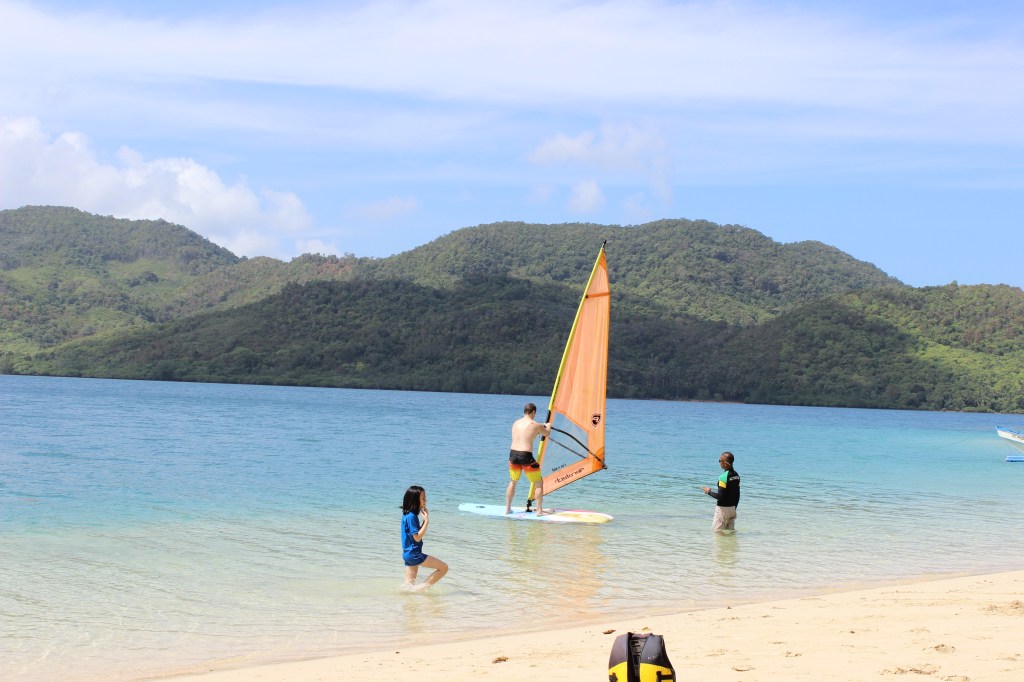
  • On a beautiful early October day, my family took a surf lesson on a beautiful beach in Portugal. Although we were only a short distance from the big-wave hub of Nazaré, the waves were gentle and rolling—perfect for beginners.

    Since it was the off-season, the beach town was sleepy, and the day was great. Our surf instructor was a local, but it was fascinating to hear him talk about different surf locations around the world, from Fiji to Hawaii, and even the New Jersey shore.

    His personality and mannerisms reminded us so much of the surf instructor we had in Hawaii that summer. The topics he discussed, the questions he asked, and the places he wanted to travel were all so similar. This experience made it clear that surf culture isn’t unique to one location. You could place this guy in Hawaii or Southern California, and he would fit right in. His cultural identity seemed to be based more on his passion than on his home.

  • When my family lived in Beijing, we would occasionally go see our favorite local team, the Guoan, play in the old Workers’ Stadium. Built in 1959 and since demolished, the stadium offered a great, one-of-a-kind experience.

    I’m not even sure I want to go to the new stadium, even though I still root for the Guoan. For the equivalent of about $50, we could get front-row seats—technically the second row because the first row was always empty other than members of the military evenly dispersed to ensure safety and peace. Compared to European football prices, this was an unbelievable steal. The vibe was still very similar to soccer games I’d attended in other countries, complete with special fan sections, flags, and drums leading the chants. I can still remember the chants after all these years. One key difference, however, was that the old stadium had no concessions inside, so we’d eat in Sanlitun before the game and pop outside during halftime for a drink or snack.

    Going to these games was one of the many times in China that showed me how much more alike we are across countries than we are different. The energy and fan passion were similar to soccer matches I’ve been to in New York or Europe. The human love of sport is a common bond across cultures and countries.

  • Screenshot

    New Orleans has one of the most unique cultures in the United States. While cities like Miami and San Antonio clearly show Cuban or Mexican influence, the French Quarter doesn’t feel like you’re in France. The food and culture are distinctly New Orleans.

    The city’s culture is homegrown, from the iconic music to the spicy food made with unique local ingredients. Even the beignets, while having French roots, are their own thing—puffier and slightly denser than their French cousins. New Orleans has a reputation for partying year-round, not just during Mardi Gras, and the Cajun accent is also one-of-a-kind.

    While the “French Quarter” gives credit to early French settlers, anyone familiar with New Orleans knows the culture is a beautiful blend of African, Spanish, and Native American influences. Architectural highlights, like the shotgun houses, the Garden District, and even the French Quarter, adapt French, Spanish, and African styles for the local climate. New Orleans is a prime example of what embracing and blending different cultures can create. It’s a city that has forged its own unique identity and is absolutely worth visiting and learning about.

  • Screenshot

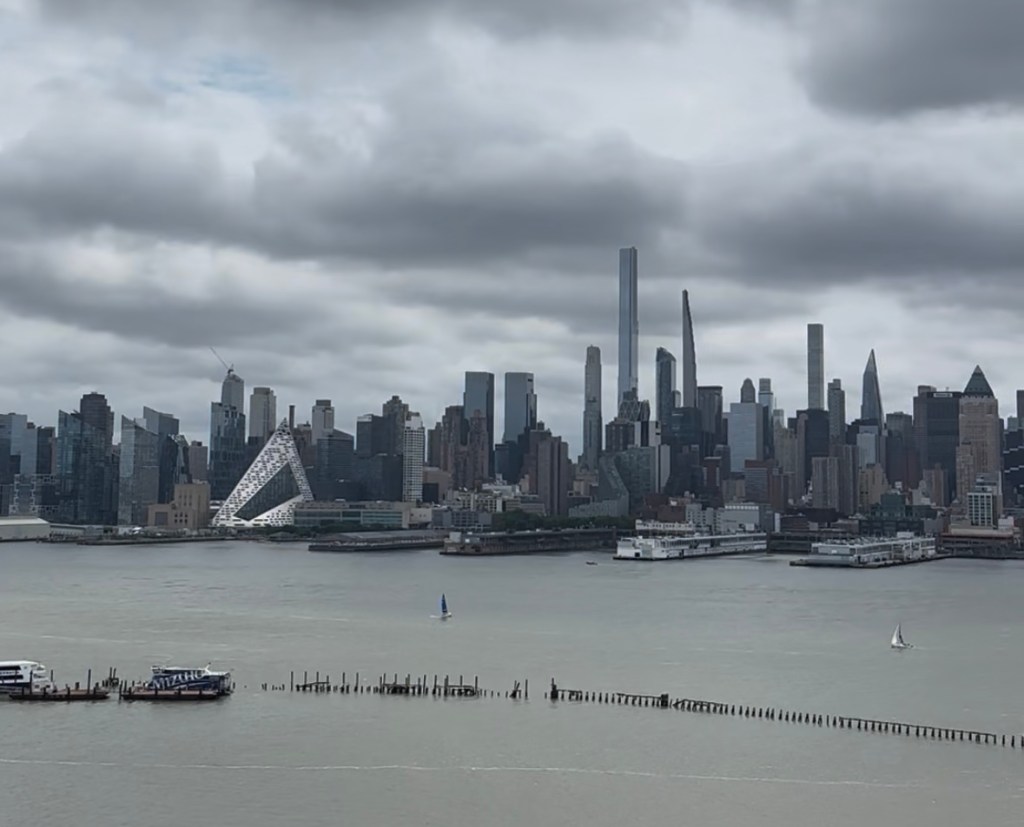
    New York is a true melting pot, which makes it unique among my favorite cultural cities. While many other cities with a great cultural vibe have a dominant culture that makes you feel like you’re in a different country, New York’s cultural scene is defined by its incredible diversity.

    New York’s skyscrapers don’t necessarily scream “culture”—they look similar to those in Melbourne, Singapore, or London. To me, what makes the city special is the huge variety of authentic cultural experiences, especially the food. You can find incredible Chinese, authentic Thai, classic Southern American, Greek, and French pastries with little effort. If you’re feeling more adventurous, you can explore Uzbek, Ethiopian, or Zambian cuisine. Beyond the food, there are pride parades for different countries, like Puerto Rico and Poland, and festivals almost every weekend. If someone wants to experience the cultures of the world but can’t travel the globe, New York is the place to go.

    Although some parts of New York can be very touristy, the city offers a wealth of authentic experiences, making it one of the best cities in the U.S. to explore diverse cultures.

  • I have a soft spot for Miami. The white sand beaches with their colorful lifeguard stands are iconic, and the wide sidewalk that runs alongside the beach is perfect for biking, skating, or just walking and taking in the view.

    The city’s Art Deco architecture, especially in South Beach, is unique and distinctly Miami. It gives the area a retro charm. The food scene is also incredible, with countless Cuban restaurants serving up delicious food and strong coffee. My parents, who are big coffee drinkers, loved the cortados, while I was a fan of the fruity Jupina pineapple soda.

    Like San Antonio, Miami fully embraces its Hispanic roots and culture. Though I’ve never been to Cuba, I appreciate how Miami allows me to experience a taste of it through the music, the food, and the overall vibrant atmosphere.

  • *Warning* This is a very biased post.  I move a lot, but San Antonio is my home city.  My summers and holidays are spent here and I know this city perhaps better than any place on earth.  As a young kid, it was a dream.  Theme parks, water parks, museums, the zoo, caverns, the best tacos, and the 5X NBA Champion San Antonio Spurs.  As I have gotten older, I have realized the cities charms go well beyond those classic fun elements.

    San Antonio has a rich history, beginning in 1718 as a Spanish mission and colonial outpost. By 1731, it had become into the first chartered civil settlement in Texas. Also known as “Military City, USA,” it proudly hosts a significant defense presence. Yet, perhaps its most defining characteristic is its vibrant cultural identity, with 64% of residents identifying as Hispanic. In a testament to its rich culinary landscape, San Antonio was recognized as a Creative City of Gastronomy by UNESCO in 2017, a nod to its Mexican, Tejano, and German influences.

    This blend of cultures creates an atmosphere that makes one feel transported far beyond the typical American city. On any given weekend, you could hear a mariachi band, Texas country, or even polka. This open and proud display of diverse ancestries—be it Mexican or German—sets San Antonio apart. Unlike many “concrete jungles” across the United States, San Antonio maintains a distinct pride in its heritage and diversity that is constantly on display. San Antonio is a cultural gem.

  • When I was a young kid, a trip to Bali was my family’s go-to holiday, but this summer, I had the chance to visit Komodo National Park and the surrounding area. It was an incredible trip. We saw the legendary Komodo dragons, the largest lizards in the world. They were magnificent and huge, and I loved watching them….from a safe distance! We spent our days hiking and snorkeling, which were amazing.

    I couldn’t help but notice the area’s unique atmosphere, which feels much less intense than Bali. In 2016, the Indonesian government promoted it as one of the “10 New Balis,” and you can already see new luxury resorts starting to pop up. But the pandemic slowed down development, and some new direct flights from Singapore were even canceled this summer. I can’t help but think that might be a good thing. While I love Bali, it is arguably overdeveloped. Do we really want ten more places like that?

    The area around the town of Labuan Bajo has uniquely complex ecosystems. It’s quickly transforming from a small fishing village into a tourism hub, and while there’s talk of sustainable tourism, it’s hard to keep in check. The people I met were hardworking and thrilled about the new opportunities. It’s undeniable economic progress that will be life-changing for future generations, and you can’t help but be happy for them. But with that comes the inevitable loss of the fishing village culture and traditions.

    Leaving a place like Komodo feels bittersweet. You’re happy for the economic progress, but also a little sad and scared for the future.

  • When I was a young kid growing up in Beijing, we went to Bali like my American peers went to Florida. It was the perfect escape from Beijing’s cold and pollution: excellent weather, great food, and relatively inexpensive hotels. We went there often enough that I took the uniqueness of Balinese culture for granted.

    It was only when we went back after a five-year hiatus that I truly appreciated the culture of one of my favorite holiday destinations. In the predominantly Muslim country of Indonesia, Bali is unique for its Hinduism. The beautiful open-air temples throughout the island offer a glimpse into the importance of religion, both in the past and present. The Balinese people have a warmth and friendliness that goes well beyond hotel culture. The smell of incense and the offerings at the many small altars (Canang Sari) immerse you in a world that is very different from others.

    Despite the endless, chaotic stream of motorcycles on the roads and motorized water sports on the beaches, this is a calming place for me. Maybe it’s because of the nostalgia it holds for me, or maybe it’s because we are immersed in a culture focused on harmony and balance in all aspects of life. Being around people who are actively showing gratitude for everything each day rubs off on you a little bit. Spending time in Balinese culture leaves you feeling enlightened, even if only temporarily.

  • I love the ocean. Whether it’s a beach or a bay, water brings happiness and calmness to me. I enjoy exploring different beach destinations because, beyond the water, it’s fun to see the cultural differences.

    A consistent theme is that life moves at a slower pace. Maybe that’s because of the mix of vacationing tourists and locals, but I suspect it also has to do with the calming effects of the water. Coastal Texas culture is no different in this way. I grew up going to Port Aransas (Port A) with my grandparents in the summer. There are a few things that really stand out about Texas beaches.

    The idea that everything is bigger in Texas is not a myth. The beaches are broad and go on forever. They’re so big, in fact, that vehicles drive on a sand road on the ocean side of the dunes until visitors find the perfect spot to set up for the day. You can leave your cooler in the truck because your tent and chairs are only going to be ten feet away. Contrast this with the process of getting your items to the beach in other locations, and it’s a night-and-day difference—far more relaxing.

    Life revolves around fishing, collecting shells, and for many, drinking a beer from your cooler while relaxing on the beach. The beaches in Texas may not be as stunningly beautiful as some other locations, but the entire experience is free, friendly, casual, and relaxing. It has a distinctly Texas vibe.

  • Of all the family holidays I’ve taken in Asia, one of my most memorable was a 2017 trip to Chiang Mai. While I wish I could say it was because of the amazing temples or lively markets, the truth is, the most memorable part was the incredible hotel we stayed at, the Dhara Dhevi.

    The hotel lobby and many of the buildings were built to resemble temples. The some rooms were traditional wooden structures set in a rice paddy, while others areas of the resort had classic British colonial architecture. For kids, there were activities like scavenger hunts, yoga, agriculture lessons, and, of course, a pool. Even all these years later, the Dhara Dhevi was the hotel I was most excited about returning to.

    Sadly, the Dhara Dhevi permanently closed in November 2020. The COVID-19 pandemic hit the tourism industry hard, leading to financial difficulties that eventually forced the hotel into bankruptcy. In April 2025, a fire burned 2,000 square meters of the former resort.

    The pandemic’s impact was widespread in the Asian tourism industry. The Dhara Dhevi is not the only hotel my family once visited that has closed due to the pandemic. While developed economies like the U.S. also lost businesses and individuals felt the financial impact, stories like the Dhara Dhevi make me think about how many people were affected in less developed areas and how much harder it is to recover. How many people lost their jobs with little to fall back on? How long will it take for the economy to recover, and how much progress was lost?

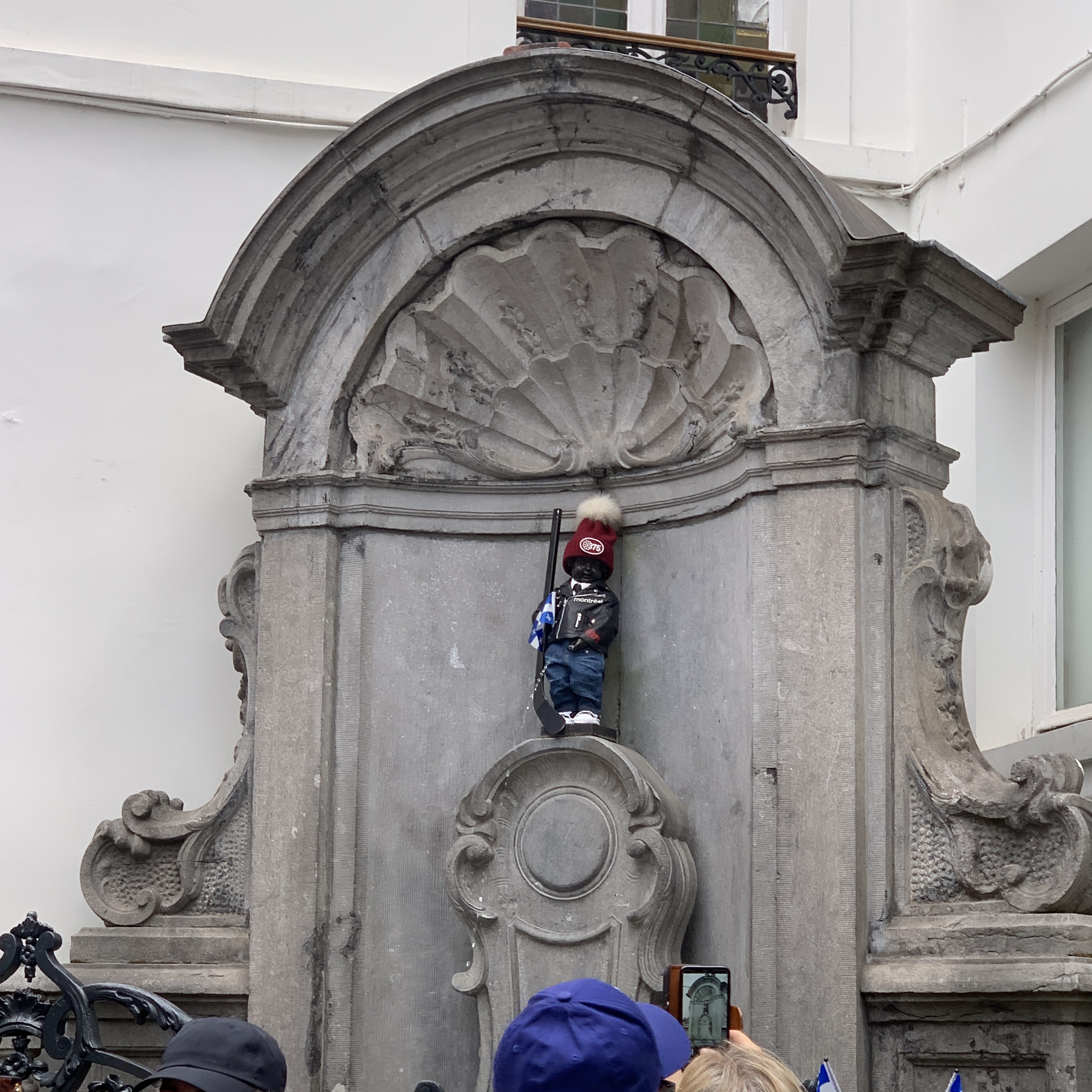
  • Sometimes “must-see” attractions can be a bit of a letdown, and initially, I would have put Brussels’ Manneken Pis in this category. Honestly, my expectations were pretty low going into it. The small statue and fountain itself met those low expectations, and the surrounding crowd exceeded my expectations.  

    However, my appreciation for the landmark did grow after reading its history online. It’s only about 55.5 cm tall, and on the day we visited, it was sporting a tiny Montreal Canadiens outfit complete with a hockey stick. Apparently, this small bronze statue has around a thousand different outfits, which are displayed in a nearby museum.

    The boy’s face has a mischievous look as he’s peeing into what used to be a town drinking water source. The earliest records of Manneken Pis go all the way back to the mid-15th century, and it has survived multiple thefts, wars, and invasions. 

    As a piece of art, it’s pretty unimpressive by European standards. But what makes Manneken Pis truly special is its symbolism. It’s said to represent Brussels’ spirit of defiance, humor, and resilience, and it’s deeply woven into the local folklore and history. When you consider the sculpture’s history and symbolism, Manneken Pis absolutely deserves its spot on all the “must-see” lists. It’s an exceptional cultural landmark.

  • Of the Disney Parks I have visited, Disneyland Paris was one of the least crowded, second only to Hong Kong. The French school year hadn’t quite ended for summer holiday, but I was still surprised by the lack of huge crowds. 

    As usual, the rides were mostly similar to other parks, with a few notable exceptions like Ratatouille and Crush’s Coaster at Walt Disney Studios.

    Despite the primary language being different, this park felt the most American of any other Disney park I have been to outside of the USA. I can’t quite put my finger on why it felt so culturally similar. Maybe it was the number of Americans at the park—there were far more than I had ever experienced in the Asian Disney parks. Or maybe it was simply the high number of English speakers in general, which made the whole place feel a bit less foreign. The food was also surprisingly similar to the Disney Parks in the USA. In fact, there was even a Five Guys Burgers near the park gates.

    If hitting all the Disney Parks is on your bucket list, Disneyland Paris is definitely worth a visit. However, if you’re looking for a unique cultural Disney experience, I feel Disneyland Paris underdelivered.

  • Before our family vacation to Europe in 2022, I thought I had a bit of an idea of the differences in work culture between the US and Europe. Thanks to social media and chats with my parents, I was well aware of the discrepancies in maternity leave and paid vacation. I even knew about the behavioral differences, like how Americans often check emails on holiday while Europeans are far less likely to. But it’s rare to actually experience these cultural differences firsthand and to have them directly impact your vacation plans as they did on this trip.

    Our first taste of it came right after we landed in Brussels. Our Uber driver immediately warned us about potential traffic issues due to a Brussels Airlines workers’ strike. He said it was a good thing we were taking the train out of the city after our stay, saying that many other travelers weren’t so lucky. It definitely set a tone, hinting that this trip might have a few unexpected challenges.

    Later in the trip, after a wonderful week in Paris, we encountered strikes again. This time, baggage handlers at Charles de Gaulle Airport were on strike. Our plane actually departed on time, which was a relief, but we soon learned of an issue: no bags had been loaded onto the aircraft. Our luggage eventually arrived in Rome a day later, and my mom spent the better part of the next morning navigating the chaotic airport scene. She even had to crawl over rows of unclaimed bags just to find ours and retrieve them herself. It was an unexpected and frustrating, start to our time in Italy.

    The third transportation strike that impacted us was in Florence. The taxi drivers were on strike, and even Uber was shut down. This left us with no choice but to walk 1.5 miles to the train station, in summer heat, luggage in tow. 

    These experiences really made it clear that strikes seem to be far more frequent and visible in Europe than in the US or the parts of Asia I’ve lived in. In the US, it feels like strikes, when they happen, are often resolved before the general public is significantly impacted. In Europe, however, it definitely feels like strikes have a different progression, often leading to disruptions for everyday people, including tourists like us. It’s a fascinating and impactful cultural difference I never truly grasped until this trip.

  • January of 2020 feels like a lifetime ago. It’s wild to think that just weeks after my family and I visited the Harbin International Ice and Snow Festival, the entire world would be changed by COVID. Looking back, we were incredibly lucky, not just to beat the global shutdown, but also with the weather. I’d braced myself for bone-chilling cold, but it was unusually warm for Harbin.  It was still freezing, of course, but much more pleasant with sunny skies.

    The sheer scale of the festival was mind-blowing. The ice and snow sculptures were colossal, easily the size of buildings. It was a truly impressive feat of artistry, knowing these structures were only temporary. Beyond the snow sculptures, they had some fun rides, like a snow tubing merry-go-round and a tubing hill that was very popular.

    The entire experience really reminded me of the temple fairs we’d been to in Beijing around Chinese New Year. The vibrant atmosphere, the crowds, and especially the food, all felt very similar. But there was one thing that stood out above everything else, the tang hu lu. In Beijing, where we lived at the time, it was usually just the traditional hawthorn and sometimes strawberries. But in Harbin, they had every fruit imaginable including pineapple, grapes, melon, among many others. 

    It’s fascinating how food always plays such a huge role in these kinds of celebrations, no matter the culture. Whether it’s funnel cakes at a county fair in the US or peanuts at a circus, it’s the same cultural concept. For us in northern China, tang hu lu was that iconic food. It wasn’t just a snack. It was a core part of the experience and a sweet memory that perfectly captures that trip.

  • Living abroad for most of my life has meant I missed out on some distinctly American experiences that many people take for granted. School celebrations for Valentine’s Day and St. Patrick’s Day were not part of my elementary school years. However, I did get to take part in one piece of Americana that I will never forget, a Fourth of July parade.

    While visiting family, I was asked to ride on the chuckwagon “float” for my uncle’s business. We waved, tossed candy, and rang the dinner bell on the wagon all through the small Texas town. There were marching bands, Girl Scout troops, and sports teams lined up for what felt like miles.

    It was a great experience and felt distinctly American. I’ve seen military parades on TV in other countries and different festival parades in person, but small towns in the U.S. do it a bit differently. The costumes didn’t need to be elaborate, nor did the participants need a well-rehearsed routine (other than the bands). The main qualifications were having candy to throw and being ready to smile and wave a lot. The American small-town parades had a casual element that other parades I’ve seen didn’t. This parade was more friendly and less formal, much like how Americans are often perceived.

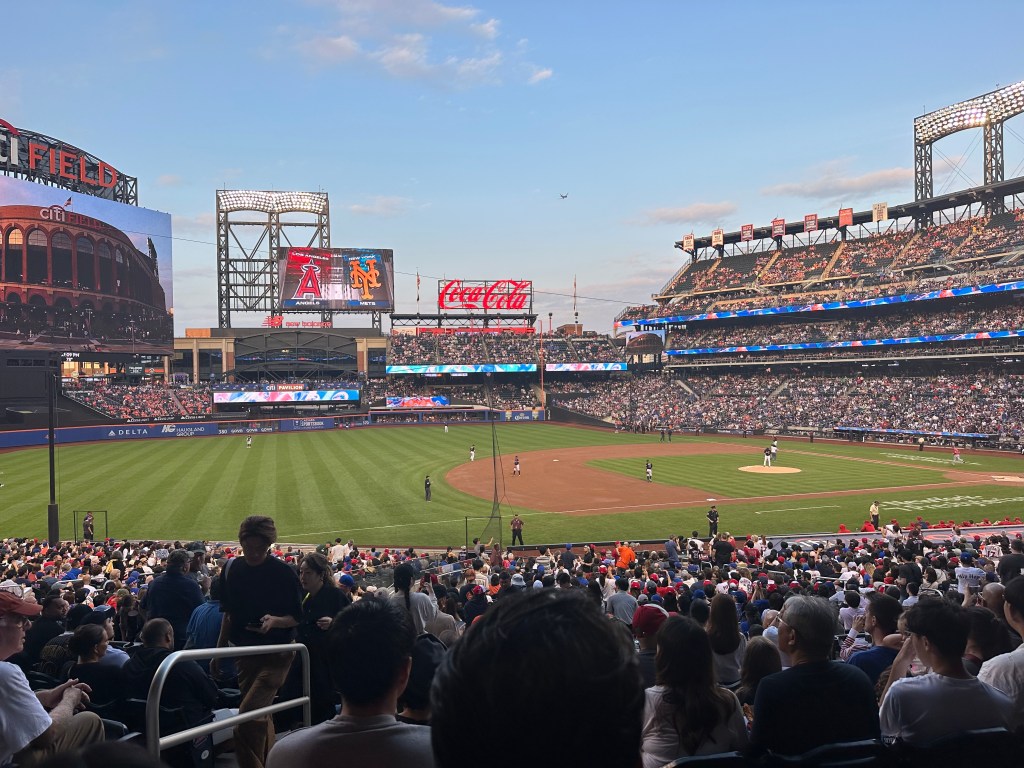
  • All professional sports games are unique in their own way, but baseball in the U.S. definitely has a different atmosphere than football, hockey, basketball, or soccer. That’s mostly because baseball games just feel less intense. Even though an average nine-inning Major League Baseball game is about three hours long, like an NFL game, most people perceive baseball as longer. There’s more waiting and a slower pace. You’ll also see extra entertainment from the stadium staff. Plus, you don’t really fear missing much if you grab some nachos mid-inning.

    While the game might not be as action-packed as other sports, the fans are just as passionate. People still yell at the refs, boo on occasion, and cheer loudly when their team scores. The Mets are my favorite MLB team, but I don’t spend as much time on the edge of my seat at a game at Citi Field as I do watching my favorite soccer, NBA, or NFL teams. I think that this makes the baseball culture and experience much more relaxed and unique, while also maintaining the same level of passion from the fans. This often leads to a “love it or hate it” feeling about baseball for many people, but I love it. Go Mets!

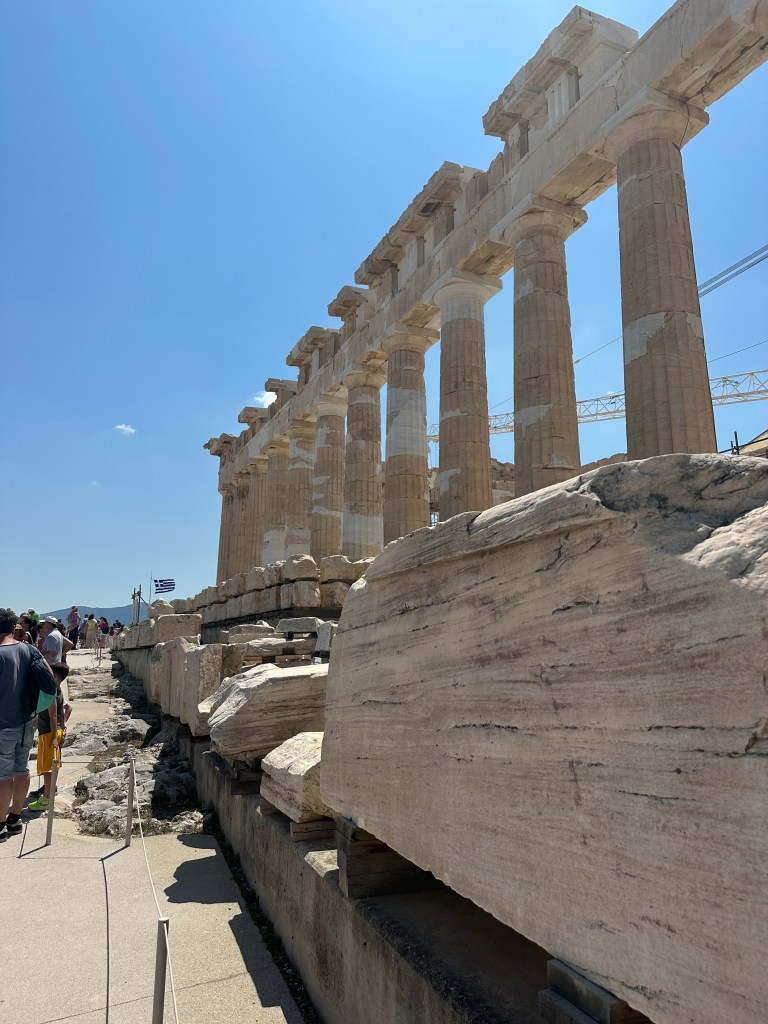
  • Athens is definitely one of those iconic European cities that I wish everyone would have the chance to see, even if you don’t need a whole week like you might for Paris or Rome. For many, it is a natural starting point for people kicking off their Mediterranean cruises. The Acropolis, as expected, is bustling with large groups following flag-waving guides.  In general, we are not a cruising family, and we rarely take group tours.

    My mother has traditionally been the architect of our travel plans. Yet, this journey marked a significant change, as I shared a part of the research responsibilities with her. It was surprisingly enjoyable and satisfying to uncovering travel “hacks” and hidden gems.  For example, I found a lesser known entrance to the Acropolis that proved incredibly valuable on an intensely hot and crowded day. I also found many lesser-known photo opportunities and local restaurants that made our time there extra fun.  

    This trip was a big eye-opener for me. I’ve always appreciated my mom’s planning, but finding our own way, discovering those hidden gems ourselves provides a real thrill. It made me think about how you can classify travelers, not just by where they’re from or what language they speak, but by how they travel. You’ve got the “follow the flag” crowd, happy to just take it all in, and then there are those who prefer to blaze their own trail. And, of course, there are always different levels within those categories.

    My time in Athens really helped me figure out where I fit in the whole traveler spectrum. You can definitely count me in the “find my own way” camp.

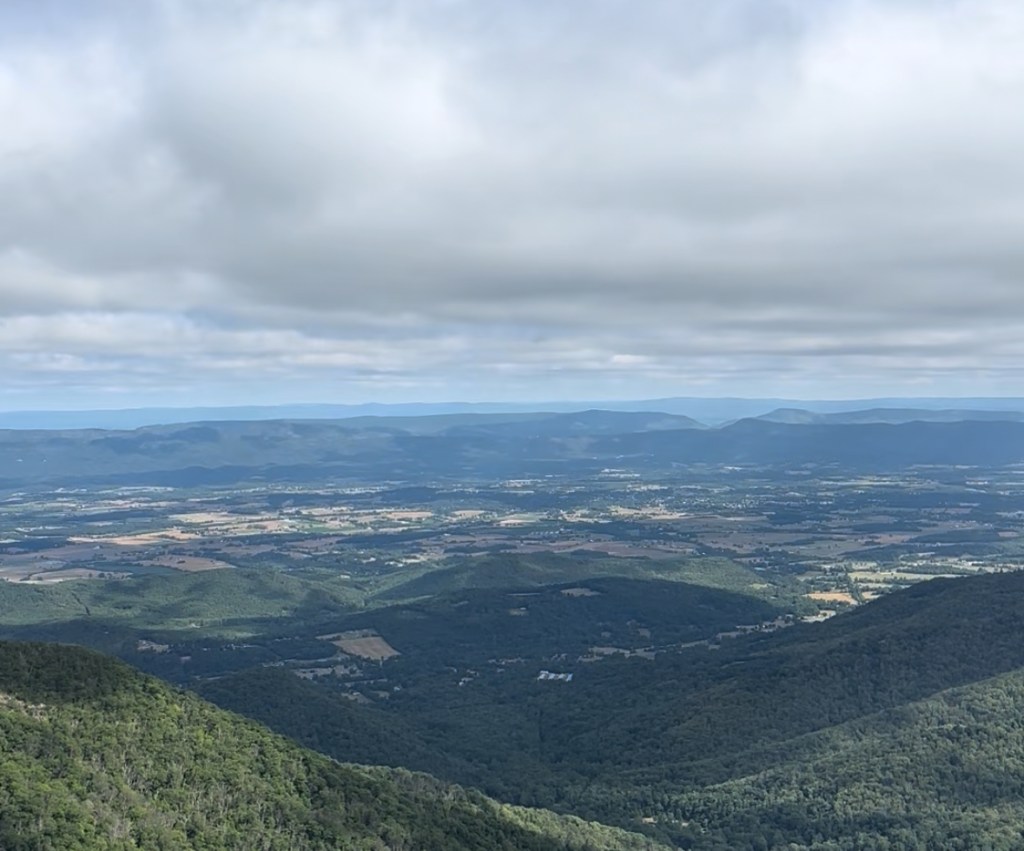
  • I’ve been lucky enough to visit quite a few national parks across the U.S., and every time, I have been amazed by the natural beauty of my home country. We always stop at the visitor center and it is always a welcome break from the hours of driving. Last summer, we did a big road trip from New Jersey to Texas, hitting a many parks and sites along the way.

    As part of that trip, we spent some time in Shenandoah National Park hiking and driving along Skyline Drive. Towards the end of the day, we visited the Harry F. Byrd Visitor Center. Even though it was quite small, I was genuinely impressed. What made it so unique was its heavy focus on the people who made the park possible. Not just the presidents or influential names, but the landowners and families who actually lived on the land that eventually became the park. It laid out the park’s history as a timeline of the people who inhabited that land.

    Most national park visitor centers I’ve seen, especially out West, tend to focus heavily on geology, which, of course, is important. But I really appreciated the human-centered approach at this particular visitor center. I truly hope the exhibit at Harry F. Byrd helps make people more curious about the people who lived on that land before the park was established. It’s a powerful reminder of how their history is so deeply intertwined with the land itself and with our own experience of these places today.

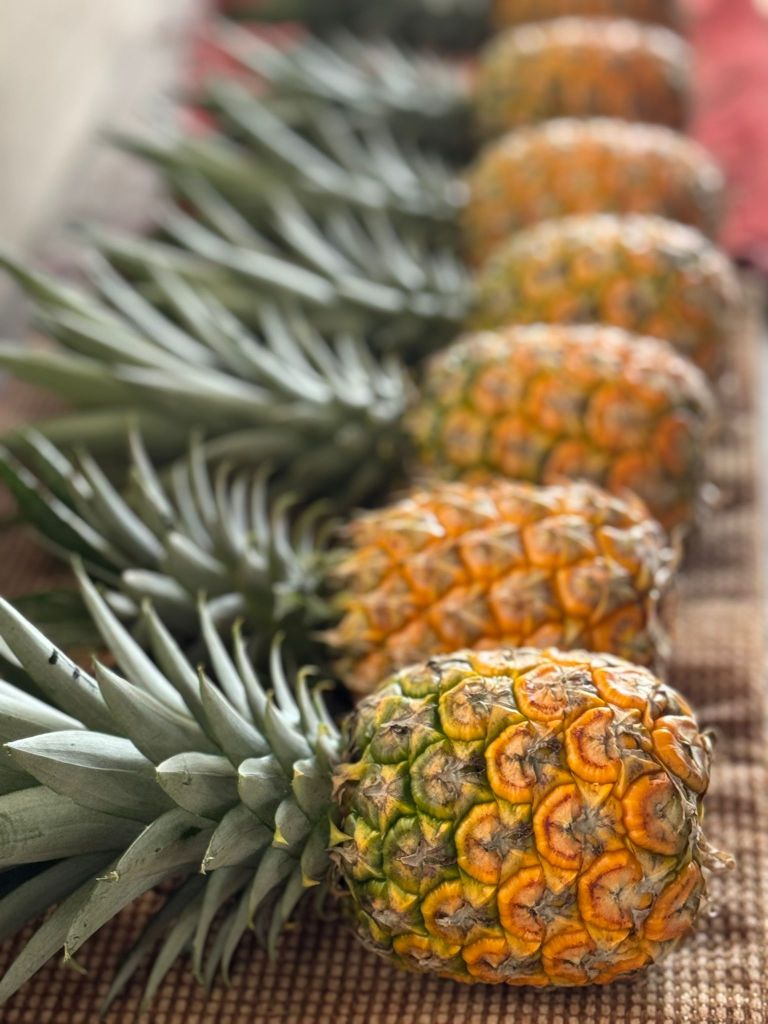
  • I enjoy all types of fruit, but especially more tropical varieties. However, my love for pineapples is next level. I am a pineapple connoisseur. On a recent trip across the border from Singapore to the Johor Bahru area of Malaysia, we visited a small pineapple farm. Nectar Pineapple Park is geared towards educating tourists on the history and importance of the pineapple industry in the region. They also focus on educating guests on pineapple quality and varieties.

    Pineapples are native to South America, but were brought to Singapore by Portuguese or Spanish sailors. The crop was initially grown in Singapore, and the industry flourished. However, farmers in Singapore eventually faced challenges due to land constraints and suitability issues for pineapple cultivation. Farming of pineapples then shifted to Johor, Malaysia, particularly around Pekan Nanas. It thrived for many years but began facing challenges there as well. Land limitations were again an issue, but competition from other crops like palm oil caused the industry more problems. In fact, after producing pineapple products for close to a century, the Lee Pineapple Company will be shutting its pineapple business and pivoting to growing oil palm.

    Malaysian pineapples are special. MD2 tastes like a complex blend of tropical fruits, almost like a piña colada. The Malaysians we talked to were very proud of this pineapple variety. In fact, when we went to a restaurant later in the day and told them we had gone to a pineapple farm, they specifically asked if we had tried the MD2. Pride in agricultural products is a phenomenon that I have observed before: Jersey farm-fresh tomatoes, Pennsylvania corn, Fredericksburg Texas peaches, Washington apples, and Florida oranges. I have to admit, it makes me quite sad to hear the pineapple industry is dying in Johor. When agriculture in an area dies, so does a bit of the cultural identity of the people.

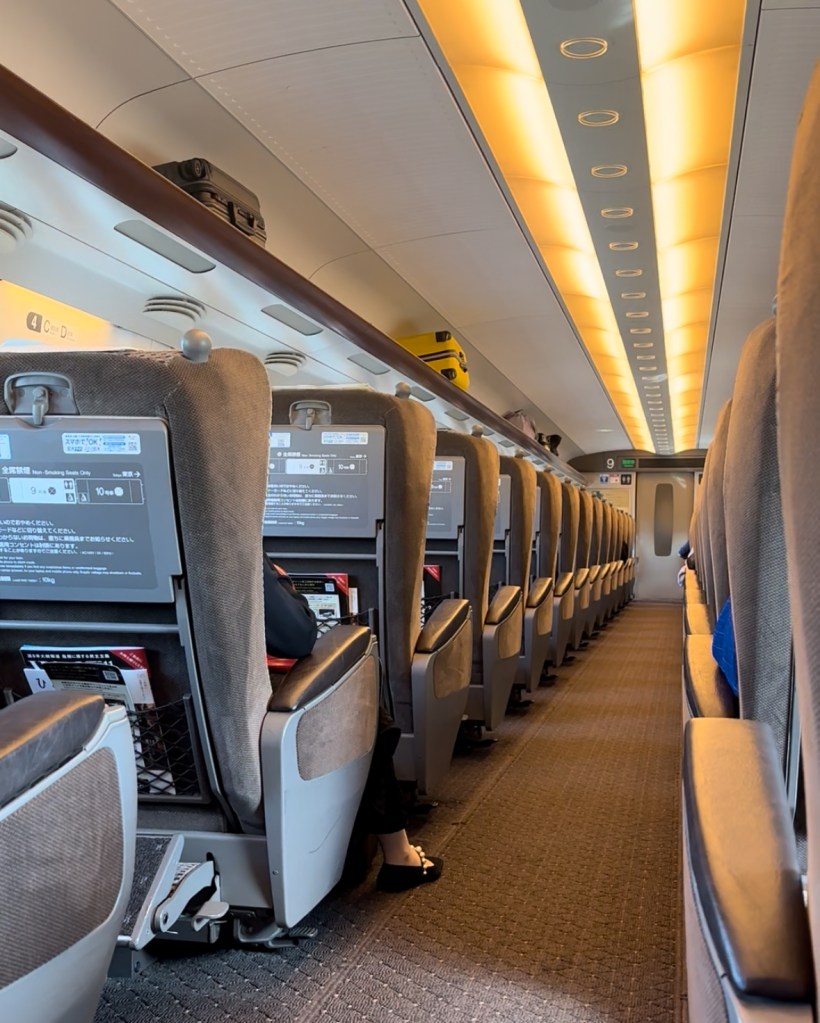
  • Traveling via rail in foreign countries often makes me wish we had better public transportation options in the USA.  Japan’s rail system, in particular, is just phenomenal. It’s quiet, clean, incredibly fast, and everything an American traveler can only dream of when it comes to public transport.

    It makes me wonder, what would it truly take to bring something like this to the United States? The answers are complex, with many different components at play. Government funding and decisive action are, of course, needed. But one of the biggest hurdles, I think, would be a massive cultural shift. Trying to convince Americans to genuinely embrace and desire train travel would definitely be a struggle.

    And then there’s a factor I believe is often overlooked, but so crucial: making train stations places people actually want to be. Tokyo Station has countless incredible restaurants, including Ramen Street. It’s busy, even a bit overwhelming, but always safe and immaculately clean. Kyoto Station, despite being much smaller, was equally spotless and packed with tempting, delicious food options. Compare that to many stations in the US, which often feel dirty, uninviting, and frankly, a bit sketchy.

    In Japan, stations aren’t places you dread. They’re vibrant places where you don’t mind spending time before or after your journey. They actively contribute to making the journey less of a chore and more of an experience. If the US ever hopes to truly become a commuter train culture close to the level of Japan´s, we would absolutely need to transform our train stations into destinations in themselves, making them places we’d willingly visit even if we weren’t catching a train.