Shifting Lenses

Third Culture Kids: “children who move between cultures before they have had the opportunity to fully develop their personal and cultural identity”.

We are two third culture kids documenting what we have observed in the travels we have been so fortunate to experience. Home for us is the USA, but also China for eight years, and now Singapore. Growing up in different countries has shaped the way we view the world. We hope you enjoy reading our reflections on our expat life and travels.

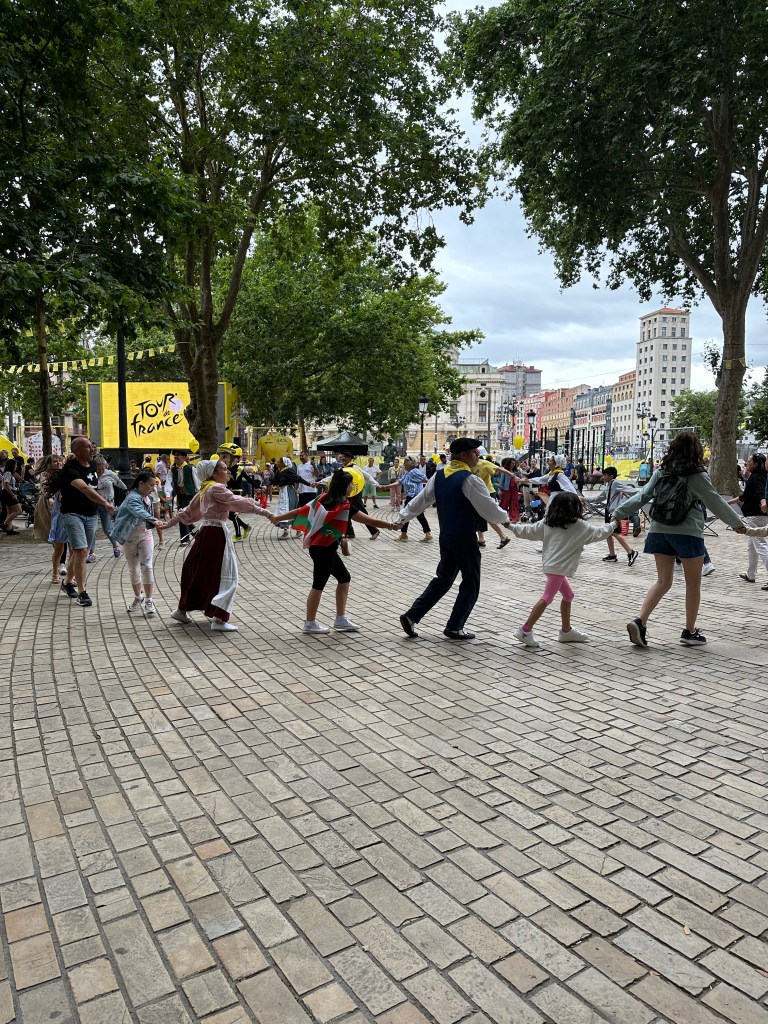
  • My dad has been a huge cycling fan for as long as I can remember, so when we made the trip to Bilbao, Spain, in 2023 for the Grand Départ of the Tour de France, it felt like a dream come true for him. After years of watching the Tour on TV, I thought I had a pretty good handle on the culture of the event. I expected to see crowds lining the streets, and I knew the cyclists would speed by the crowds in tight packs with their team cars hot on their heels.

    What I hadn’t fully understood was the sheer scale of the festival atmosphere that takes over the towns the Tour passes through. Before the race even began, there was this parade along the route. Cars decorated with statues and sponsor displays drove by, accompanied by dancers and loud music, all while tossing branded merchandise to the fans. Official Tour souvenir vans were strategically parked throughout the area, and at both the start and finish lines, huge TV screens and media trailers were set up alongside countless booths giving away free merchandise. People were dancing in the streets, and the atmosphere was absolutely electric.

    This was hands down one of the most unique sporting events I’ve ever experienced. When you go to a typical game or match, you’re usually sitting in one spot for an hour or more. For the Tour, you find a good view of the road along the course and then you wait. The cyclists pass by incredibly quickly, and then… it’s done. But that brief moment is intense. You’re so close to the athletes you can literally feel the breeze as they whiz past. It’s a fast rush, but real a thrill.

    Comparing it to other events, the Tour de France might just be the most family-friendly sporting event I’ve ever attended. Because the action is so fast, there’s no time for kids to lose interest, and there’s constantly so much to look at.

    We even chatted with a few dedicated fans who planned to follow the Tour from town to town for the entire three weeks. While that might be a bit much for me, talking to them made me realize that cycling fans are just as obsessed in their sport as the most devoted fans in any other sport. I think many people view cycling fans as more casual, but after experiencing the Grand Départ firsthand, I learned that is definitively not the case.
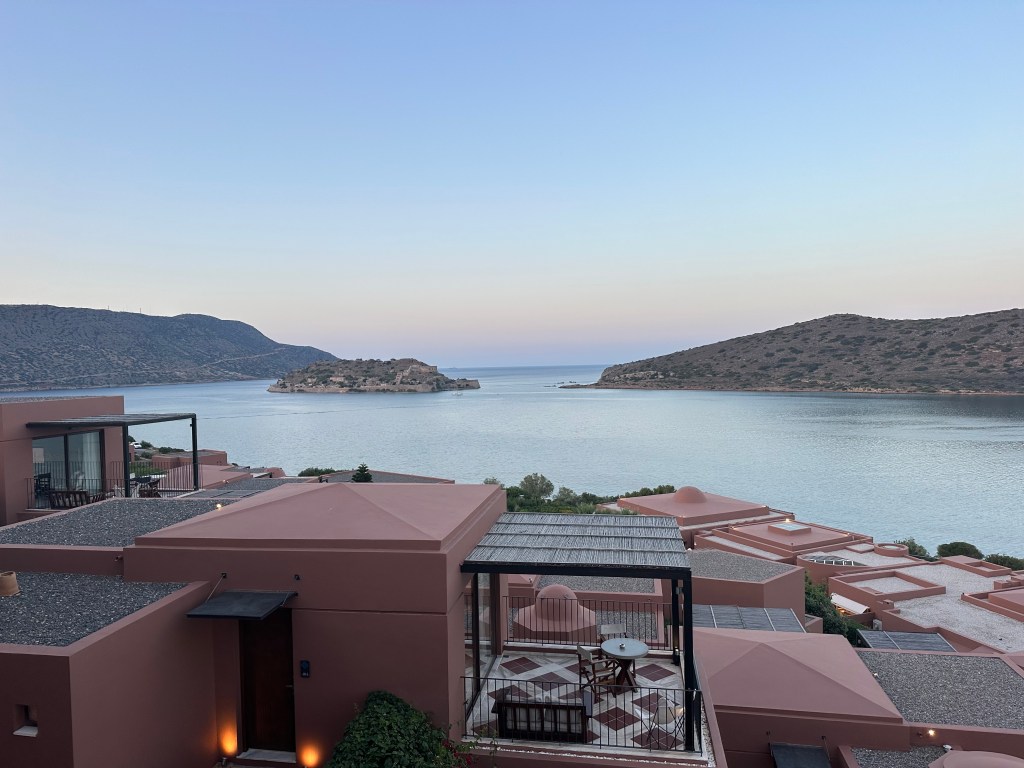
  • Our family trip to Greece in 2023 was unforgettable, especially the last five days we spent in Crete, near Plaka. This coastline is absolutely gorgeous, though quite developed with resorts. But what really captured my attention, just a short distance offshore, was the island of Spinalonga, with its incredibly unsettling past.

    For centuries, the Venetians held Spinalonga as a fortress. Later, it became a refuge for Muslim families escaping persecution. Its most heartbreaking chapter began in the early 20th century when it was transformed into a leper colony. Travel to the island was forbidden, except for staff, and fishing was prohibited within 200 meters of its shores. What makes Spinalonga so devastating is that it was primarily a place of isolation for the infected, not a place for treatment. Imagine the mental torment for those residents, being able to see the towns along the coast, where their families lived and their former lives had been.

    Over the past year, my brother and I have been volunteering at a leprosy home in Singapore. Thinking back on what I learned about Spinalonga a few years ago, it feels even more profoundly sad now. The fact that Spinalonga operated as a leper colony until 1957 feels incredibly recent, especially when Greece is so overwhelmingly rich with ancient history.

    I truly appreciated that this region of Greece focused on the more recent history of this island. Touring Spinalonga was highly recommended by our hotel and even restaurant staff in nearby towns. Of all the historical sites we visited in Greece, and there were many, Spinalonga’s story was perhaps the most unique. It really drove home the importance of giving as much attention to recent history as we do to ancient history when we travel. It’s a powerful reminder that history, in all its forms, deserves our focus and reflection.

  • It’s interesting how little my American friends know about my current home city of Singapore. It’s true, it is very far away from the U.S. and very small—so small, in fact, that it has the nickname “the little red dot.” It’s referred to as this because on a map, the dot is often all you can see.

    If Americans do know something about Singapore, it often revolves around two things:

    • “Gum is illegal, right?”
    • “Better not break the law; they will cane you.” (This is a reference to the legal problems an American teen had here in 1994.)

    In reality, if a modern, utopian large city exists, Singapore is it. The variety of food, people, and cultures is probably beyond the imagination of many. It’s the best of Asia combined with the conveniences of the Western world in a climate of eternal summer. The country has some of the lowest crime rates in the world, and I feel completely safe here. There are a lot of rules, but Singaporeans value discipline and take great pride in their country’s success.

    Lee Kuan Yew, regarded as the founding father of modern Singapore, said: “My greatest satisfaction comes from… mustering the will to make this place meritocratic, corruption-free and equal for all races—and that it will endure beyond me.”

    Spending time in Singapore will change one’s perspective of what is possible in developed nations. Of course, Singapore is small and culturally different from other countries, but it is a fascinating place to experience.

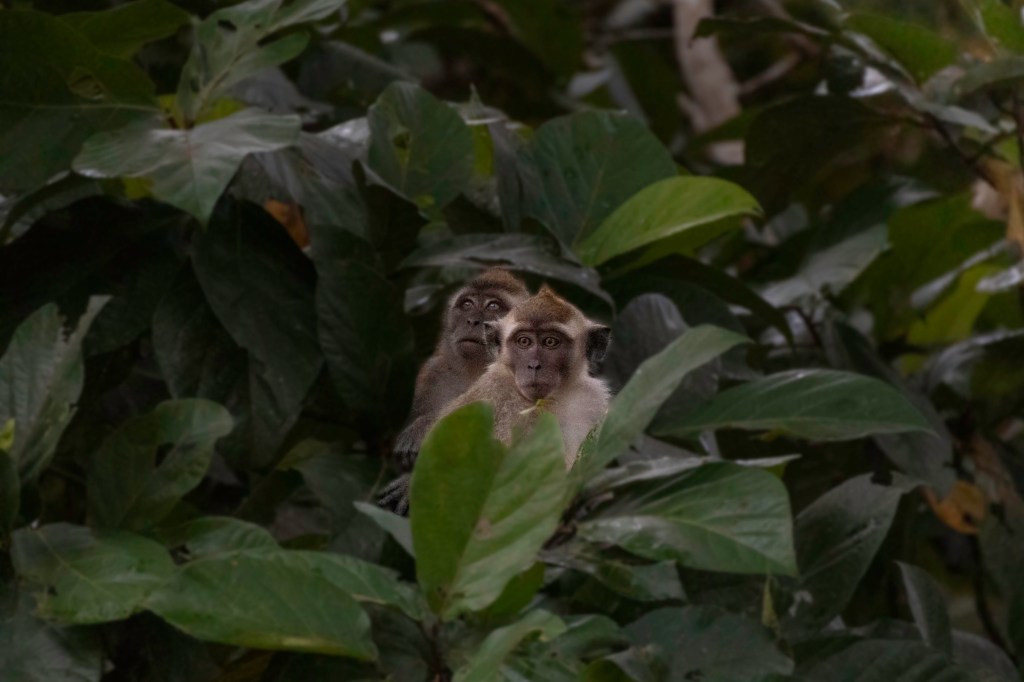
  • Living in Southeast Asia truly offers endless opportunities for unique travel experiences. In February, I went on an educational trip to Malaysian Borneo. I went into this trip looking forward to seeing the famous wildlife, and they sure did not disappoint. I saw the TikTok-famous Proboscis Monkeys with their distinctively huge noses, and several different types of hornbills, including the magnificent rhinoceros hornbill. We also visited an orangutan sanctuary and a sun bear sanctuary, which were both moving experiences. For accommodations, we stayed in a traditional longhouse where we ate local foods and tasted the teas of the region.

    The local tour guides truly had great pride in their homeland. They passionately explained the complex challenges they face regarding palm oil plantations. While these plantations could significantly improve the financial situation and quality of life for many local people, they also threaten to destroy the rainforest and its unique ecosystem.

    Visiting a place like this really adds a new layer of perspective to the global “save the rainforest” efforts. I can completely understand why the people of Sabah want to monetize their land and resources for their own benefit as poverty is common in the area. However, it’s also undeniable that our planet urgently needs these rainforest ecosystems to be preserved. Understanding both sides of this issue and how specific people and cultures will be impacted is crucial. My hope is that someday, we can find a solution that benefits both the local communities and the environment.

  • Having visited Disney World (Florida, USA), Hong Kong Disneyland, Paris Disneyland, and most recently Tokyo Disney, I’ve noticed a theme: while the parks generally share a similar layout and many of the same rides, the real difference lies in the visitors’ behaviors.

    Our visit to Tokyo Disney on a Wednesday in October, despite not being a local school holiday, was very crowded. The park was filled with young adults, couples, and groups of friends, with many of them in full Disney costumes. This combination of more mature visitors and the polite nature of Japanese people made it the most peaceful theme park experience I’ve ever had.

    The entire park was spotless, and there was no line cutting. It also seemed quieter than other Disney parks. During the parade, everyone remained seated, ensuring that all could enjoy the experience. The manners and respect Japanese people show each other were truly on display here. I appreciated these cultural characteristics even more when comparing them to the usual Disney chaos of other locations. This experience was a good lesson in what can be achieved when politeness, patience, and mutual respect are prioritized by everyone.

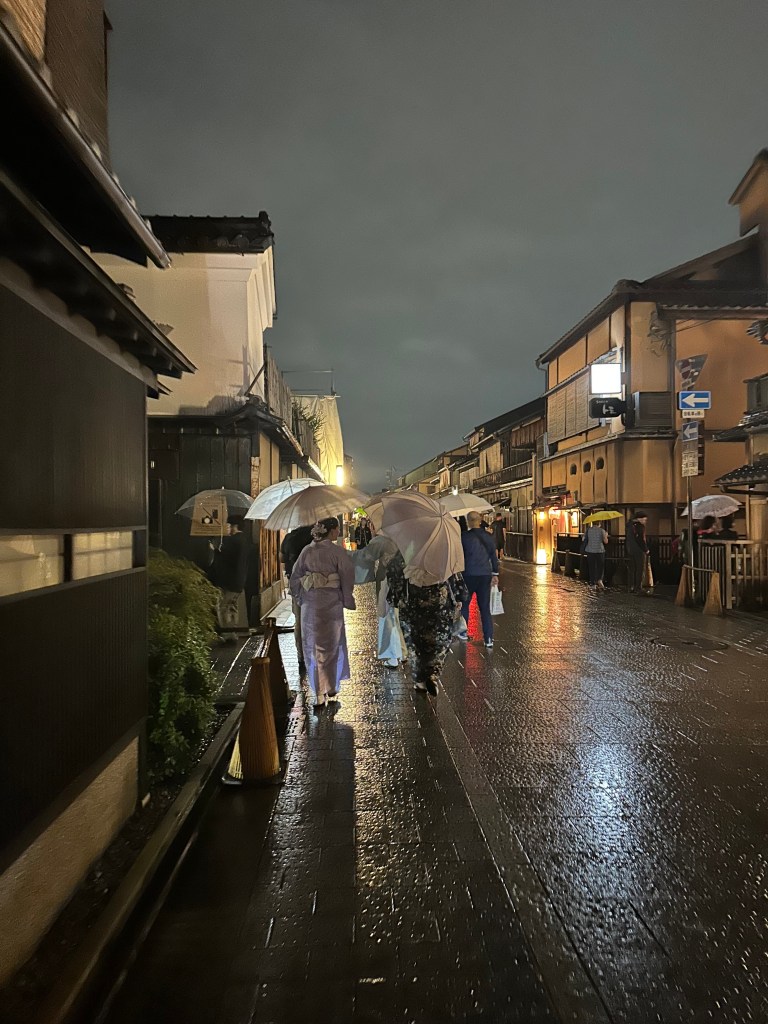
  • Kyoto is hands down my favorite city in Japan. There’s something about it that makes it feel much smaller than it actually is. If Tokyo is the bustling, overwhelming New York, then Kyoto is definitely the charming, more manageable Boston. Honestly, it feels even more compact than Boston.

    As a tourist, that smaller scale is a terrific. It’s feels more walkable, and getting an Uber or a cab is easier. The traffic is generally reasonable, a welcome change, except for the inevitable traffic jams around popular tourist hubs. What really strikes me about Kyoto, though, is how its history feels so much more untouched. And that feeling is accurate. While I was there, I learned about how Kyoto was spared from the devastating bombing campaigns of World War II. I read that it was largely due to the efforts of U.S. Secretary of War, Henry L. Stimson, who tirelessly fought to have it removed from the list of potential A-bomb targets.

    The preservation of Kyoto was no accident. It’s a testament to the immense difficulty of safeguarding culture. It wasn’t just protected by the Japanese, but also by those who were their wartime enemies. It really drives home the point that without the collective effort of all human civilization, working together to preserve cultural history, so much of it will simply be lost to time.

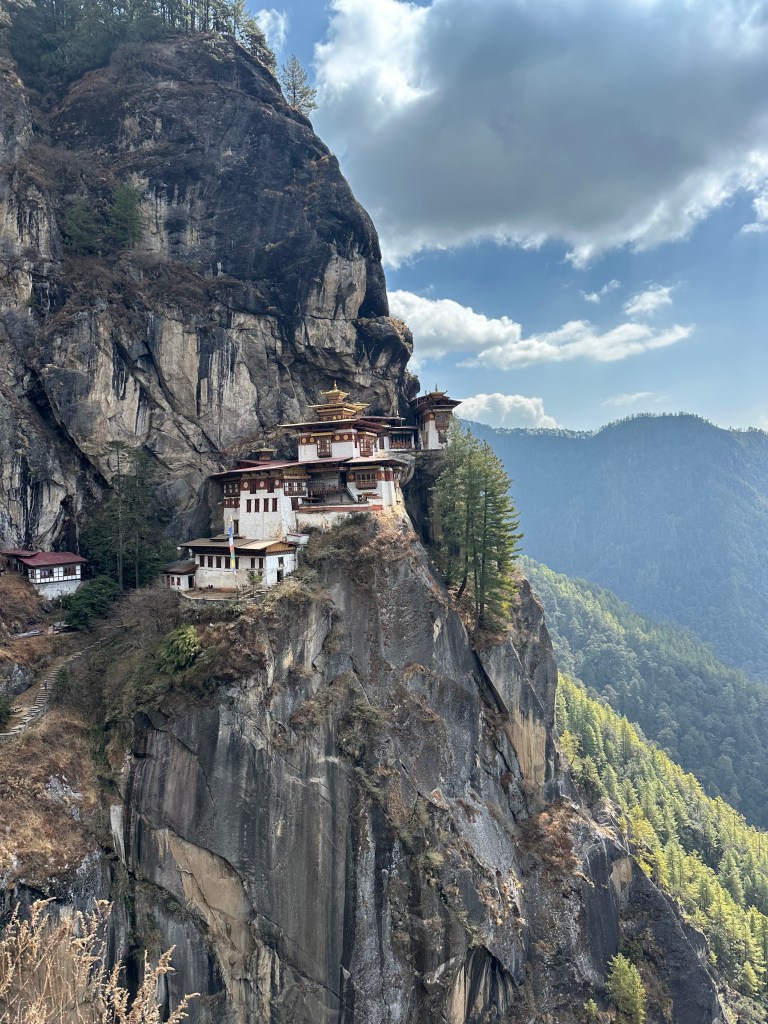
  • I’ve been fortunate enough to travel to some incredible places, but a recent trip to Bhutan in February truly stands out. I went as part of a school service trip, volunteering with Read Bhutan in a rural area of the country. While there, we also hiked to the picturesque Tiger’s Nest Monastery. The country is stunningly beautiful and offered a glimpse into a unique culture. It was a blend of isolation and sophistication. Many government officials are educated at prestigious universities around the world, and even in the small village where we were, the students spoke an impressive level of English.

    Bhutanese culture is quite traditional and most outsiders would probably see it as old-fashioned. In fact, I think the Bhutanese people would agree with that. Yet, at the same time, their government is remarkably forward-thinking when it comes to the environment and sustainability. For years, their focus has been on Gross National Happiness (GNH) rather than Gross Domestic Product (GDP), prioritizing well-being over financial and material wealth. Their society, led by the Royal family, has chosen different metrics for success.

    Of course, it’s not perfect. They’re currently dealing with a problem of young people moving away for university and not returning. The government has plans to address this, but it’ll be fascinating to see how they manage to balance becoming more modern while retaining their traditional values. This was truly a unique culture. I can’t help but wonder how different it might be if I were to visit again in twenty years. Specifically, will Gross National Happiness still be the priority over GDP?

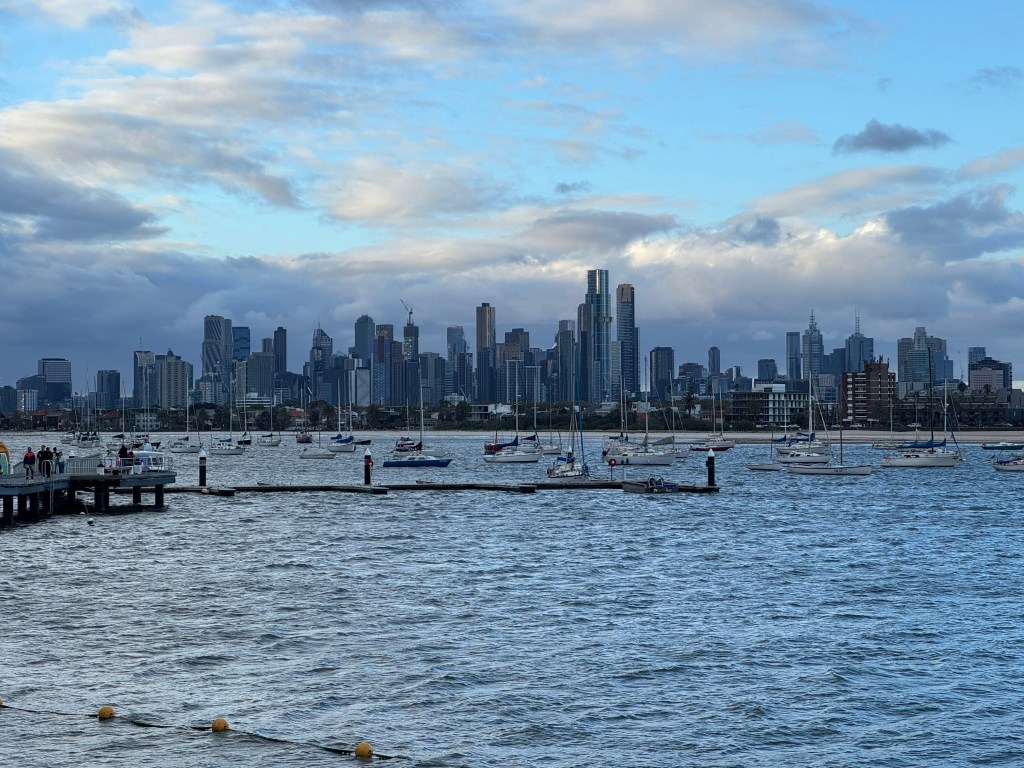
  • Over spring break, my family took a trip to Melbourne, Victoria, Australia. It’s a city that consistently ranks highly on the “most livable” lists, and having been there, I can see why. The surveys look at things like safety, education, healthcare, culture, and public transport, and I definitely experienced many of those positive aspects firsthand.

    The walkability is fantastic, and it’s clear that education is a huge priority there as their license plates even say “the education state.” Culturally, Melbourne is vibrant.  In fact, our Uber driver even mentioned there’s a festival every weekend. The mass transit is also a bit above what we have in the US, feeling cleaner and safer, though it definitely gets crowded in the central zone. 

    It wasn’t a perfect picture, though. There were homeless people in some areas, and a few streets didn’t feel entirely safe to walk at night. There was a bit of grit, and it didn’t have that perfectly clean, utopian feel I’ve grown accustomed to living in Singapore. My perspective is definitely skewed by my current home country!

    Despite not being a utopia, I truly loved Melbourne. It struck me as a more realistic vision of what US cities could be. We probably can’t reach Singapore’s level of safety, but Australia’s seems achievable. Spending time there really made me wonder what’s possible back in the USA. A city like Melbourne feels within reach, but the question is, how do we get there? I think government policy plays a huge role, but that’s intertwined with culture, which is so much harder to shift.

  • As a sports fan, I absolutely love diving into the local sports scene whenever I travel. It doesn’t matter what the sport is, if the locals are passionate about it, I’m in. This past spring, during our trip to Australia, we had the fantastic opportunity to go to an Australian Rules Football game: St Kilda vs. Richmond. My dad’s colleague, a lifelong St Kilda fan from Melbourne, was our guide. With his help, we snagged some excellent seats in Marvel Stadium and settled in to cheer for the home team. The game definitely did not disappoint!

    Whenever I attend a sporting event in a new country, I can’t help but compare it to other experiences I’ve had. First off, was it family-friendly and safe? Absolutely. Of course, there was some “colorful” language from a few passionate fans, but that’s pretty standard at almost all sporting events globally. The stadium was practically full, and there a great mix of fans from both teams, creating a good atmosphere. The fan culture struck me as quite similar to British soccer/football fans in their enthusiasm and sharp passion, but they were a touch less intense or “harsh.” The game itself was a blend of many different sports, encorporating elements of rugby, soccer, and American football and forming one complex game with it. It felt like a long match, but perhaps that was just due to my unfamiliarity with the flow of play.

    Overall, it was a great way to spend an afternoon. Even though I was completely new to Australian Rules Football, the entire experience felt remarkably familiar to the soccer and American football matches I’ve attended in the past, and that’s a good thing. It just goes to show how sports, no matter the specific rules or traditions, can bring people together in a universal celebration of competition and camaraderie.

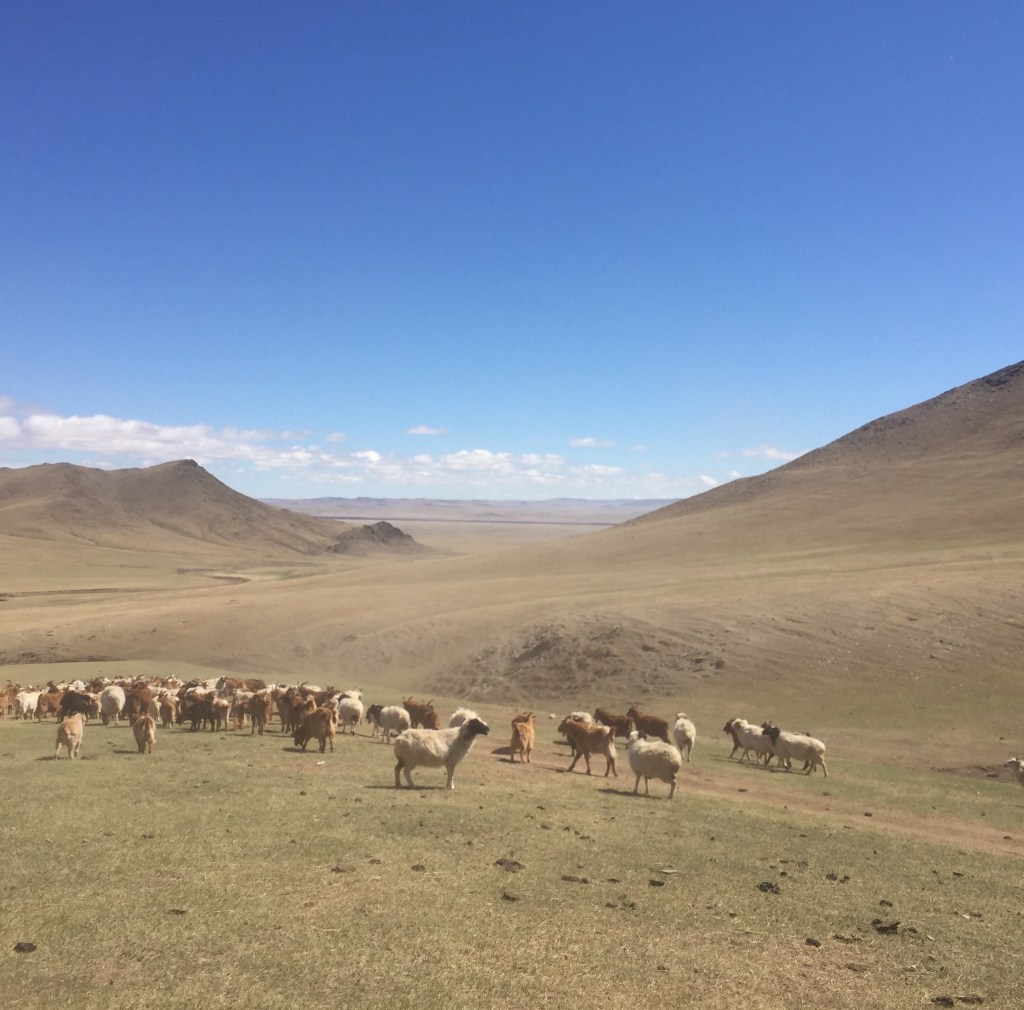
  • One of the most memorable trips my family took while living in Beijing was to Mongolia. We stayed near Ulaanbaatar and explored the countryside, including the Genghis Khan statue and other more rural sights. Two memories from that trip vividly stand out.

    I remember waking up in our yurt to find about six inches of snow had fallen overnight. The roads weren’t plowed, so we had to trek uphill through the snow to get breakfast. We also lost power, making the yurt incredibly cold.

    My other vivid memory involves my mom making a Mongolian boy cry. This wasn’t intentional, and it sounds worse than it was. We were visiting a local herding family in their yurt and playing a traditional game called Shagai, which involves “rolling” bones like dice. My mom was unbelievably lucky, even though she didn’t want to be, and just couldn’t stop winning. Unfortunately, our hosts’ five-year-old boy didn’t like losing. Tears were shed, and a fit was thrown. I felt so bad for him.

    My brother and I learned a valuable lesson that day. Kids are the same everywhere. This wasn’t the first time I’d seen tears from a sore loser. From expats in Beijing to kids in the US to herders in Mongolia, we all hate to lose, and sometimes we just don’t handle it well.  It truly made us seem more alike.  I feel truly fortunate that I have been giving so many experiences that helped me learn how similar all people actually are despite different backgrounds.

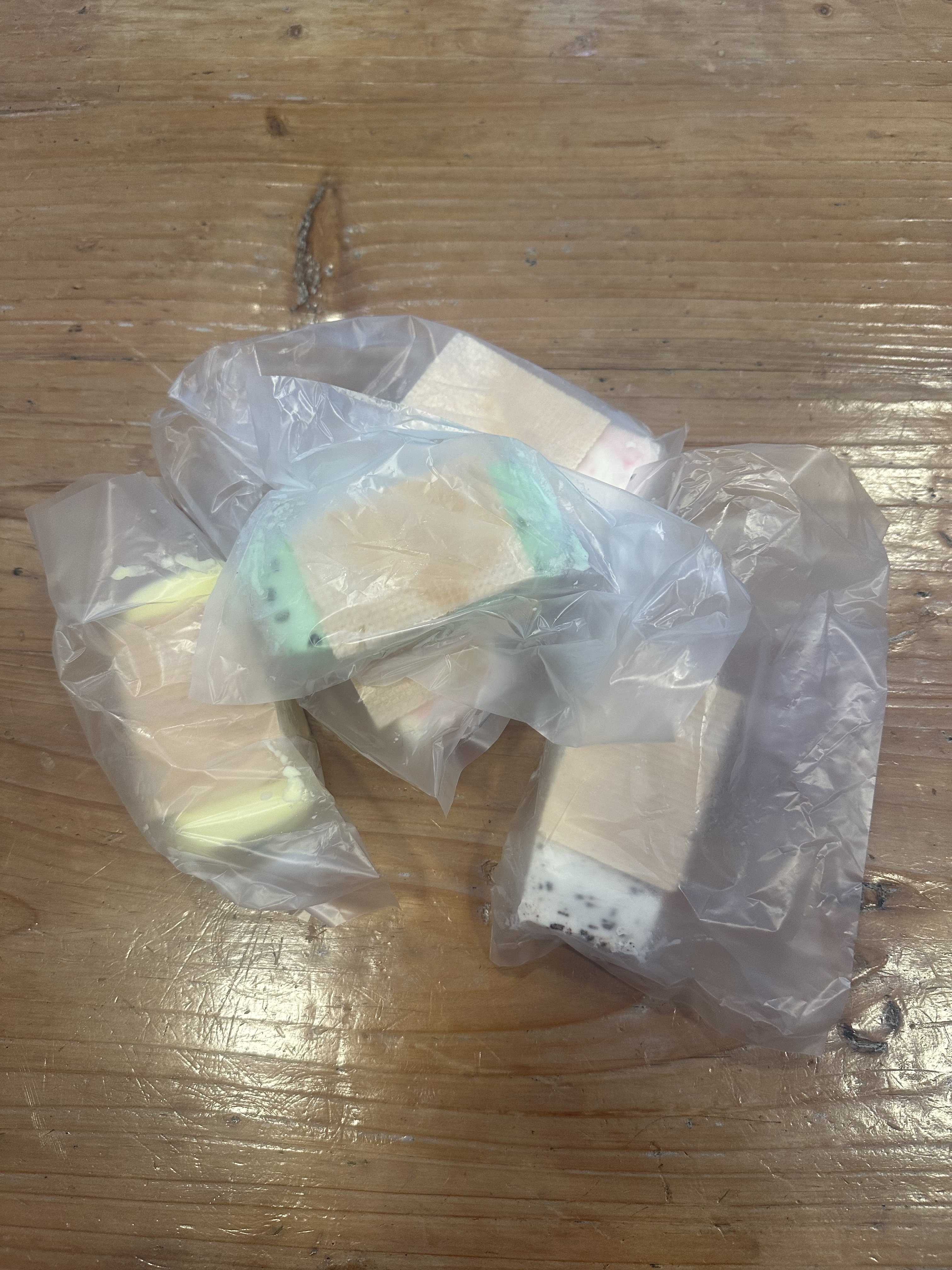
  • I won’t forget the first time I heard the unmistakable sound of the ice cream truck coming down my street. Having just moved back to the US after growing up in China, this well-known American experience was new to me, and I became an instant fan. So, I was happy to discover that Singapore also has its own version of the ice cream truck, but with a unique twist. Instead of elaborate songs being played, their truck simply rang a little bell as it parked along the street. The ice cream itself is served as blocks, neatly sliced and placed between two square wafers. Surprisingly, the taste is exactly like a scooped ice cream cone from an actual shop, offering a familiar flavor in a different look. It’s like eating an ice cream sandwich that tastes just like a cone, but put into a more efficient, clean, and logical form, which feels very on-brand for Singapore.

    It struck me as another example of how our world has always operated, even dating back to Marco Polo and earlier: taking an idea and changing it to fit a local culture, like Detroit-style pizza baked in automotive parts trays, or the California roll with avocado becoming one of the best known types of American sushi. Singapore’s efficient ice cream wafer sandwich is just the latest delicious example of this ongoing global exchange and “localizing” of ideas.

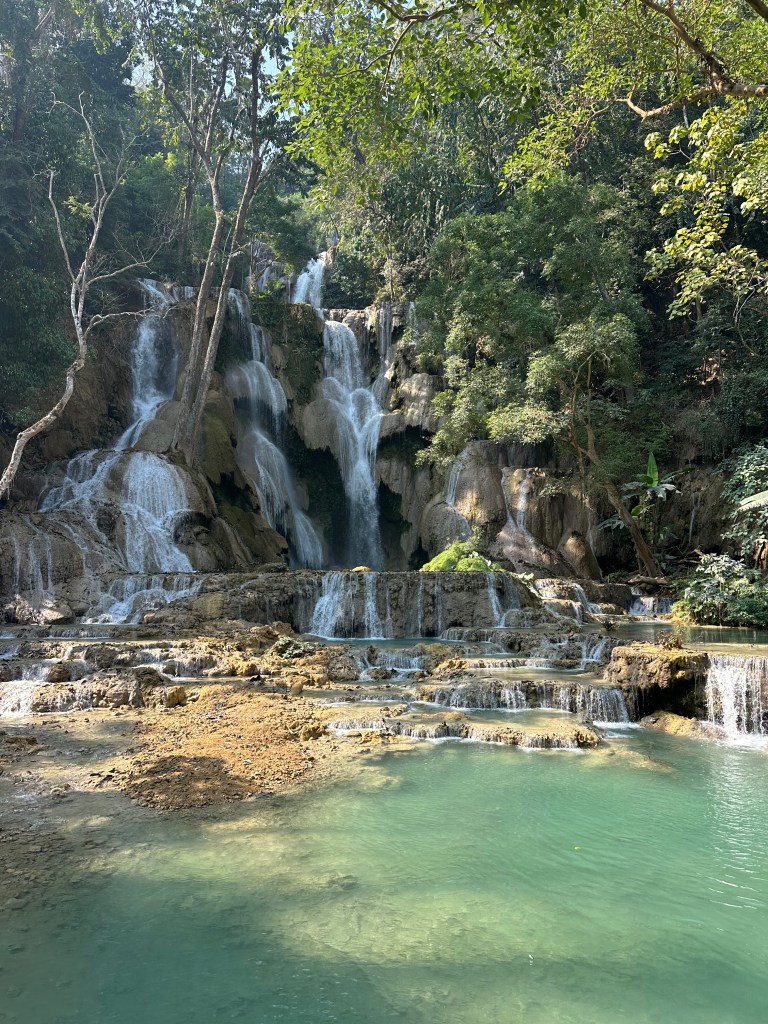
  • During the Lunar New Year holiday, my family and I visited Luang Prabang, Laos, a destination where the history and architecture immediately impressed us. Less developed than nearby countries such as Thailand or Vietnam, the town possessed an unexpectedly small and somewhat calm atmosphere. Another thing of note was that the smell of polluted air occasionally reminded me of my memories of living in Beijing. Our visit was greatly enriched by our tour guide, a kind and accepting former monk of twenty years. His joy was palpable, and his devotion to his children’s education was evident as he often spoke of them, referring to his daughter as his ‘little princess.’ What struck me most was the widespread gratitude and happiness of our guide and the local people, a stark contrast to the often relentless pursuit of more and the accompanying dissatisfaction I’ve often observed in the USA, Singapore, and China. It seems that in Laos, the desire for progress didn’t create an automatic discontentment with the present—a valuable lesson in perspective from which I think many cultures could benefit.

  • Originally from the United States, we have spent most of our youth living in Asia due to our parents’ work. At this point, we have traveled to 35 countries and have had countless opportunities to learn about the diversity of the world. Of course, we don’t remember every detail of every trip; we are only teenagers, after all. We do have journals to help us remember what we experienced, though. We once viewed these journals as nothing more than unnecessary, parent-assigned homework and even recorded these feelings in them (complete with hand-drawn angry face emojis). However, we can now go back and reflect on what we experienced, what was memorable, and why. As it turns out, our parents weren’t just being mean.

    After spending a few years living back in the United States during COVID, we moved to Singapore last year. Being back in Asia has renewed our passion and appreciation for the unique cultural elements that we encounter on our travels. We decided to create this blog to share our observations from recent trips and experiences, as well as reflect on our journal entries and past travel observations. We are incredibly grateful for the cultural experiences that we have been given. However, the more we learn about world cultures, the more we realize how little we know. Shifting Lenses will share our firsthand cultural observations. We welcome you to join us on this learning journey.

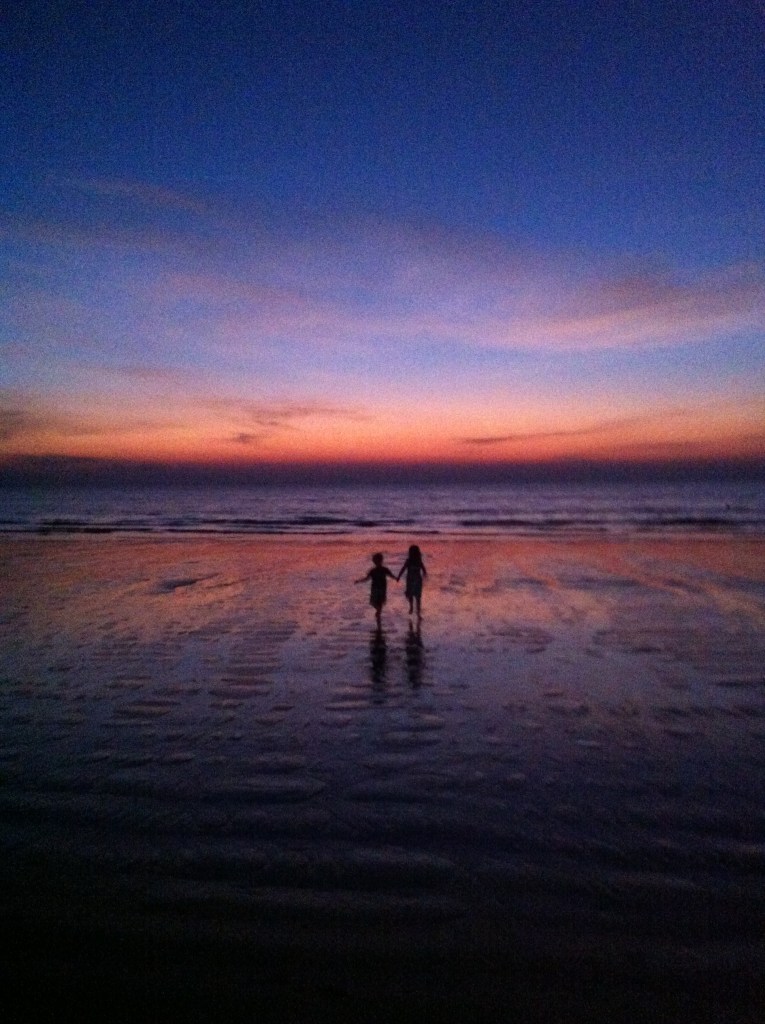
    Photo: Khao Lak, Thailand 2014