
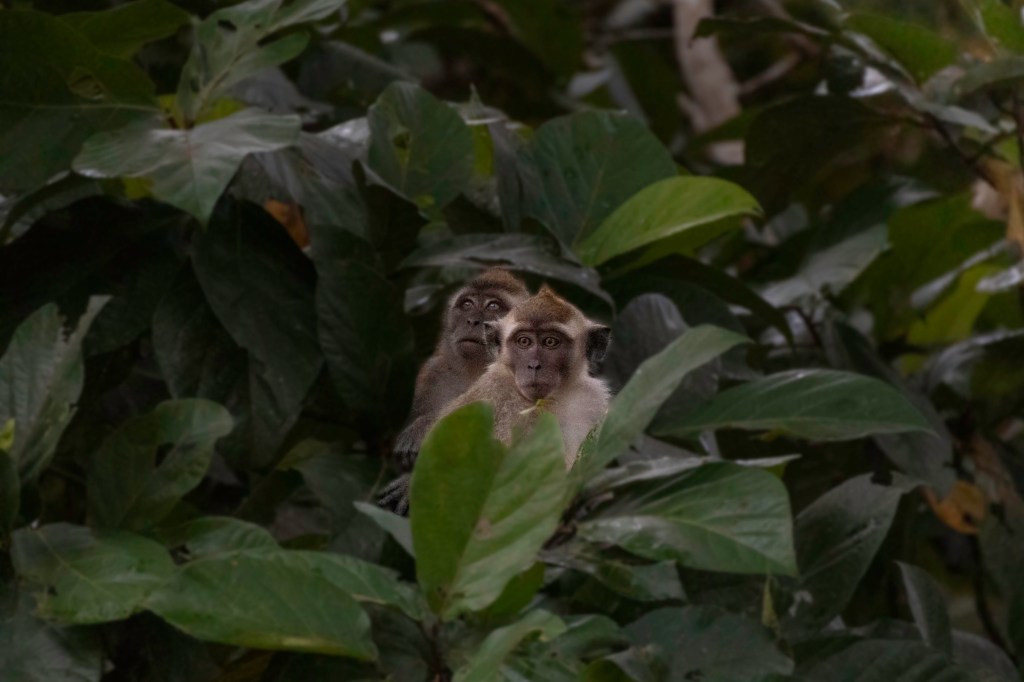
Living in Southeast Asia truly offers endless opportunities for unique travel experiences. In February, I went on an educational trip to Malaysian Borneo. I went into this trip looking forward to seeing the famous wildlife, and they sure did not disappoint. I saw the TikTok-famous Proboscis Monkeys with their distinctively huge noses, and several different types of hornbills, including the magnificent rhinoceros hornbill. We also visited an orangutan sanctuary and a sun bear sanctuary, which were both moving experiences. For accommodations, we stayed in a traditional longhouse where we ate local foods and tasted the teas of the region.
The local tour guides truly had great pride in their homeland. They passionately explained the complex challenges they face regarding palm oil plantations. While these plantations could significantly improve the financial situation and quality of life for many local people, they also threaten to destroy the rainforest and its unique ecosystem.
Visiting a place like this really adds a new layer of perspective to the global “save the rainforest” efforts. I can completely understand why the people of Sabah want to monetize their land and resources for their own benefit as poverty is common in the area. However, it’s also undeniable that our planet urgently needs these rainforest ecosystems to be preserved. Understanding both sides of this issue and how specific people and cultures will be impacted is crucial. My hope is that someday, we can find a solution that benefits both the local communities and the environment.
 Shifting Lenses
Leave a comment